Artist retreat & mentorship · Rio Alva, Portugal

A place to work, by the river.

A stone farmhouse and studio on the Rio Alva, in the quiet hills of central Portugal — far from everything, with uninterrupted time to make art and optional one-to-one mentorship from the artist Celia de Villiers.

Book your stay on Airbnb Enquire about mentorship

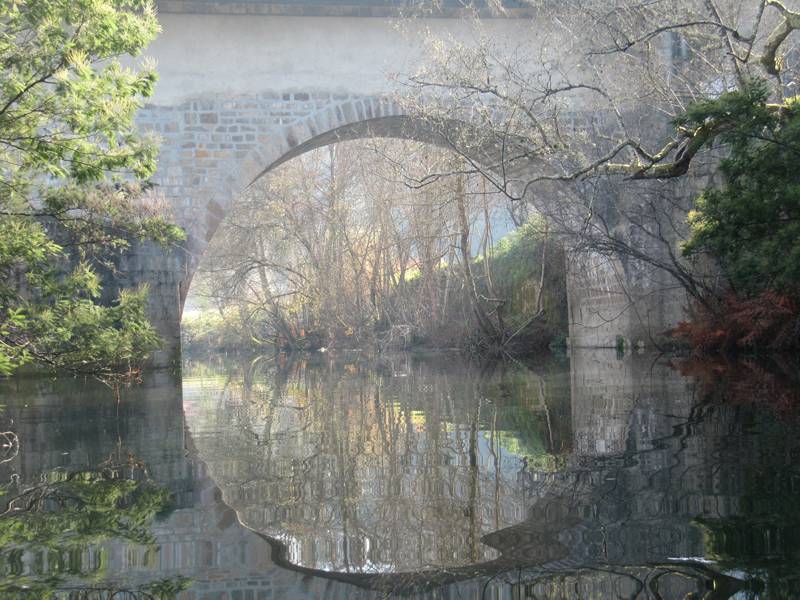
The Roman bridge over the Rio Alva at Ponte d’Arte

Why artists come

Get away. Go quiet. Make work.

Most artists arrive worn thin by the noise of ordinary life — and the first thing Ponte d’Arte gives them is quiet. No neighbours. No traffic. The Rio Alva at the foot of the garden and the whole day your own. Here you can hear yourself think, keep your own hours, and give the work the long, unbroken attention it never gets at home.

Swim in the river between sessions, walk to a hidden waterfall, cross the old Roman bridge, sit at the village café-bar as the fresh fish comes in. None of it is a programme — it is simply the restoration that makes the focus possible. People come here to slow down, and leave with more made than they thought they could.
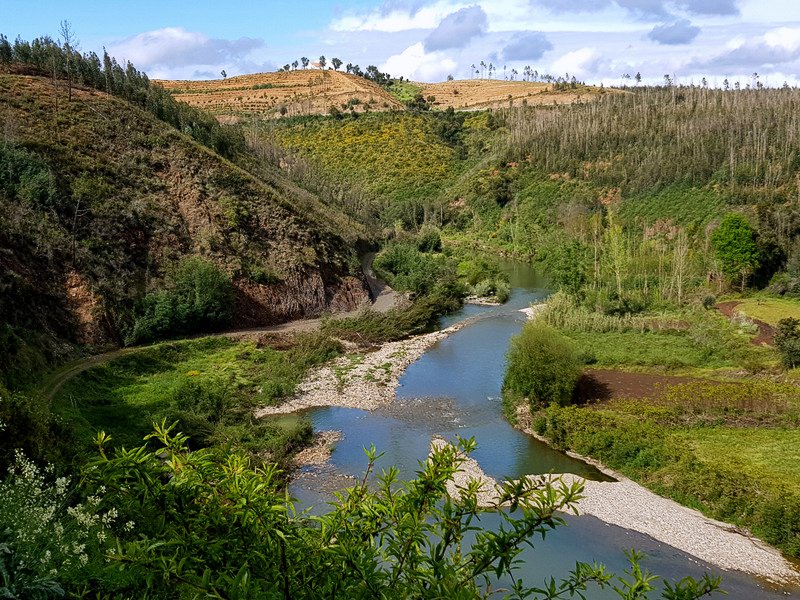
The Rio Alva valley below Ponte d’Arte
The Rio Alva valley — wild and quiet, yours for the length of your stay.

The place

An 1888 stone farmhouse on the Rio Alva

Ponte d’Arte sits above an old Roman road in the Centro region of Portugal, near Ponte da Mucela. A renovated stone farmhouse looks over the river and wooded hills, with one and a half hectares of wild riverside gardens running down to a historic Roman bridge. Celia de Villiers makes her home here.

  • A studio of your own — the self-contained riverside studio-apartment, with room to spread out and work uninterrupted.
  • The Garagem de Artes gallery — a former auto-repair hall turned exhibition space, for showing work or making it large.
  • Wild riverside gardens — a hectare and a half down to a Roman bridge and a river beach for swimming, minutes from the door.
  • A small art library, a fully-equipped kitchen and a terrace over the water.
  • Fresh provisions — bread daily and fish twice a week — with the village café-bar a short walk on.
  • Real quiet — no neighbours, the nearest town fifteen minutes away, the coast and cultural sites within the hour.
The Roman bridge that gives the residency its name, mirrored in the still Rio Alva.
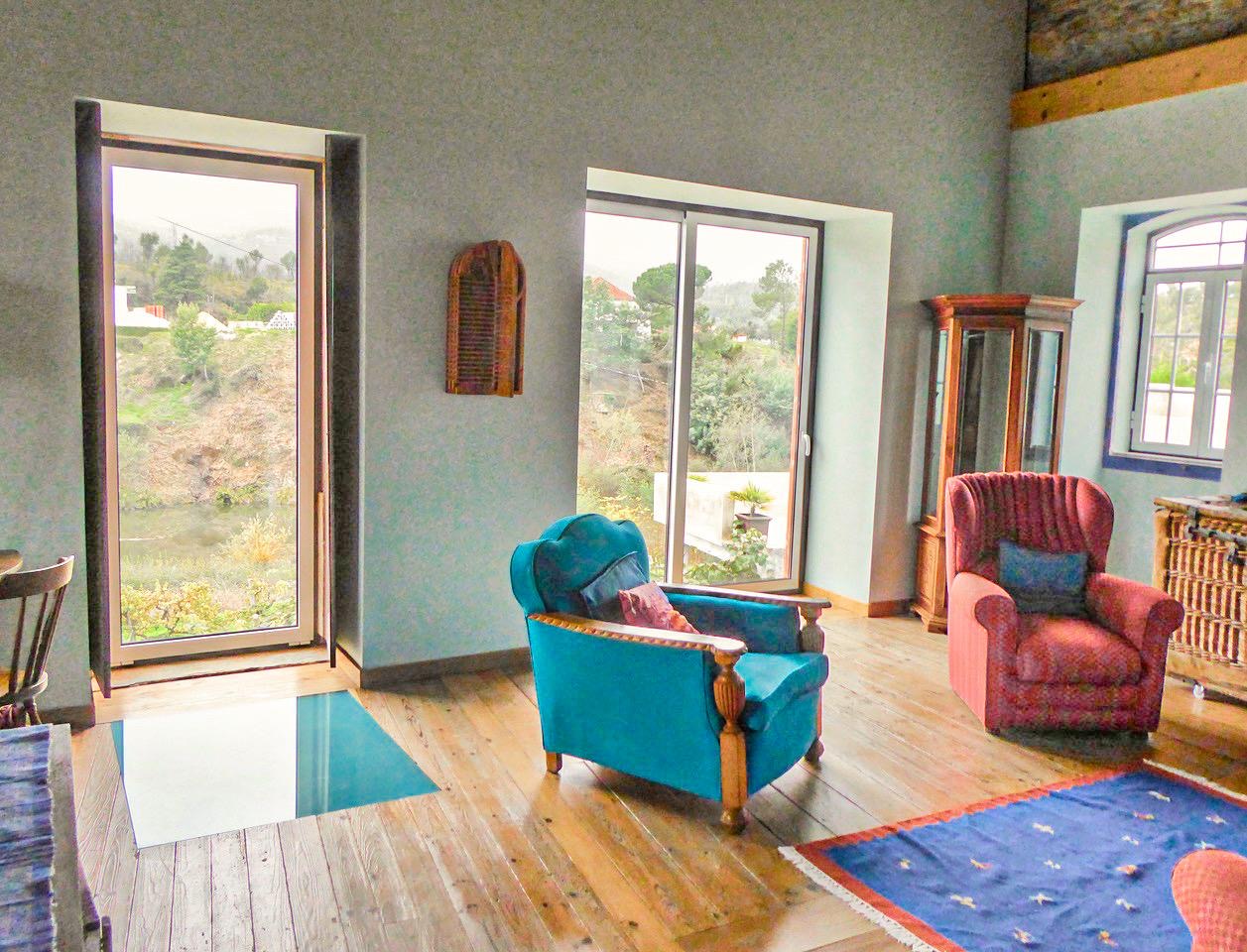
Inside the farmhouse — four bedrooms and a kitchen, with tall windows over the river valley.
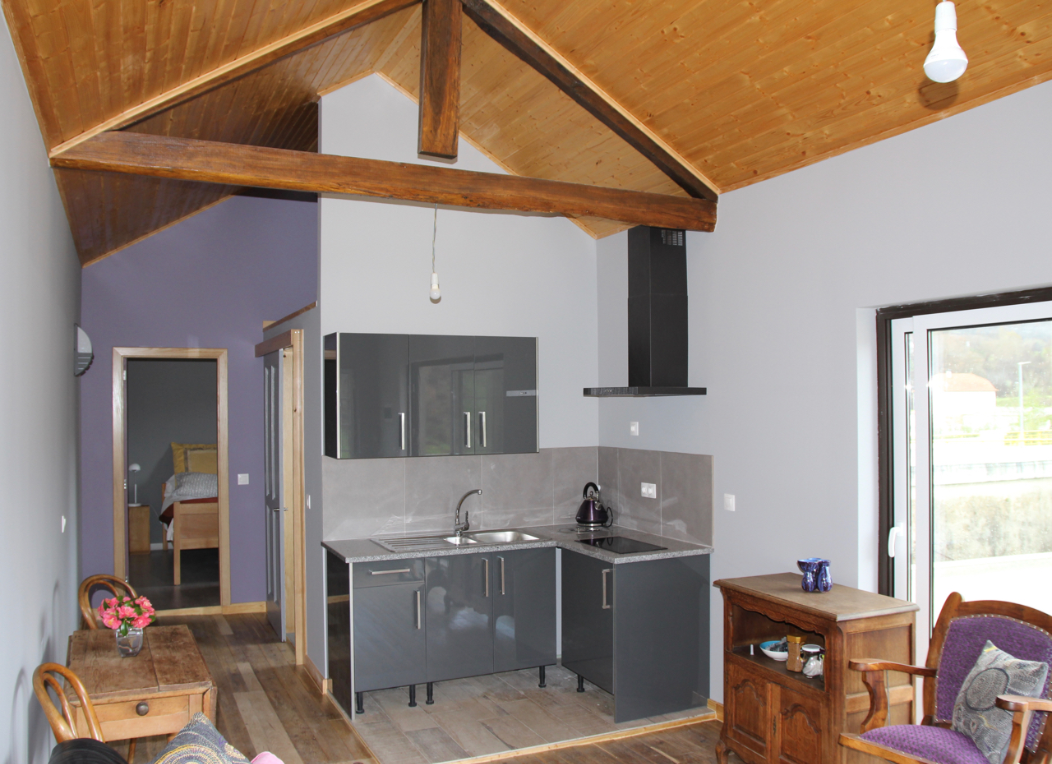
The self-contained riverside studio-apartment — your own space to work.
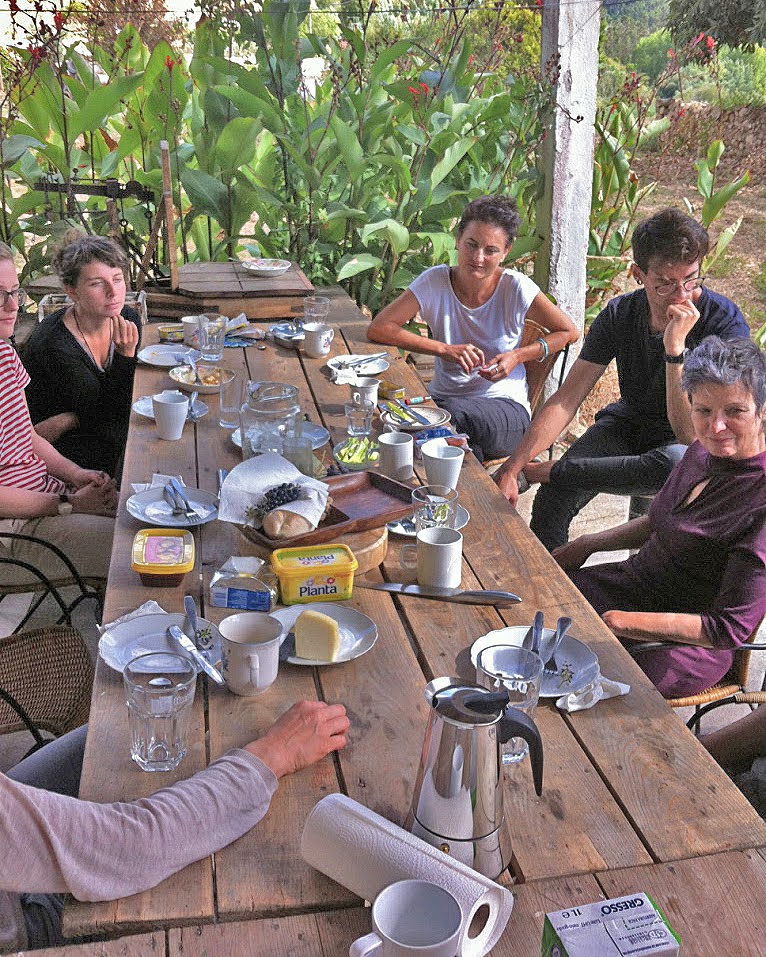
The long communal table in the garden — shared meals, conversation and exchange.

Who it is for

Serious time to make work

This is a working studio in a quiet place, not a leisure holiday. It suits serious artists, writers and makers who want real, unhurried time — at any stage, in any medium. Emerging, returning and self-taught artists are equally welcome; fibre artists will find a kindred spirit in Celia. Artists from Brazil, France, Spain, Portugal, Belgium and South Africa have worked here over the years.

The stay

The riverside studio-apartment

Stay in the self-contained studio-apartment in Celia’s home on the river — booked directly on Airbnb, with instant confirmation, current rates and guest reviews. The whole house is occasionally available by arrangement when Celia is away.

Book the studio-apartment on Airbnb →

Mentorship

One-to-one mentorship with Celia

Time to work is one thing; a guiding eye is another. Celia de Villiers — a South African artist with a lifetime in fibre, sculpture and drawing, and decades of teaching and mentoring — offers bespoke one-to-one mentorship to artists staying at Ponte d’Arte: honest feedback on your work, direction for your art practice, and a push past the places you get stuck.

Mentoring sessions are arranged directly with Celia and paid in advance to confirm. They are separate from your stay. Tell her a little about your practice and what you are after, and she will take it from there.

What is an artist mentor, and what does Celia actually do?

A mentor is an experienced artist who works alongside you on your own practice — not a teacher with a syllabus. Celia looks closely at your work, talks it through honestly, helps you see what it wants to become, and points you past the places you get stuck. It is your direction, clarified.

What can I expect from a mentoring session?

An unhurried, one-to-one conversation about your work — honest feedback, questions that open it up, and practical direction for what to make next. You bring the work and the questions; Celia brings decades of making and teaching. You leave with clarity and a way forward.

Is mentoring the same as an art course or coaching?

No. A course teaches a technique to a group; coaching tends to work on mindset. Mentoring is one-to-one and rooted in the work itself — an experienced artist helping you develop your own practice, in your own direction, at your own pace.

What will mentorship cost?

Mentoring is arranged directly with Celia and paid in advance to confirm. Tell her what you are working on and how much time you would like — a single session, a few across a week, or something ongoing — and she will let you know the fee. It is separate from your stay.

Does mentorship happen in person, or can it be remote?

Both. It is at its richest in person while you are staying at Ponte d’Arte, with the work in front of you. Where a stay isn’t possible, Celia also mentors remotely. Say what suits you when you enquire.

Do I need to be at a certain level to work with a mentor?

No. Mentoring meets you where you are — emerging, returning after a break, or established and reaching for something new. What matters is that you are serious about your practice and ready to look at it honestly.

Artists who have worked here

Their time by the river

Artists come to Ponte d’Arte from all over — some on their own, some through the In Situ residency once run here with the Royal Academy of Antwerp by co-director Kris van ’t Hof. What they share is the work they made in the quiet.

Marion Bartko-McCabe · South Africa

From the river to a bigger canvas

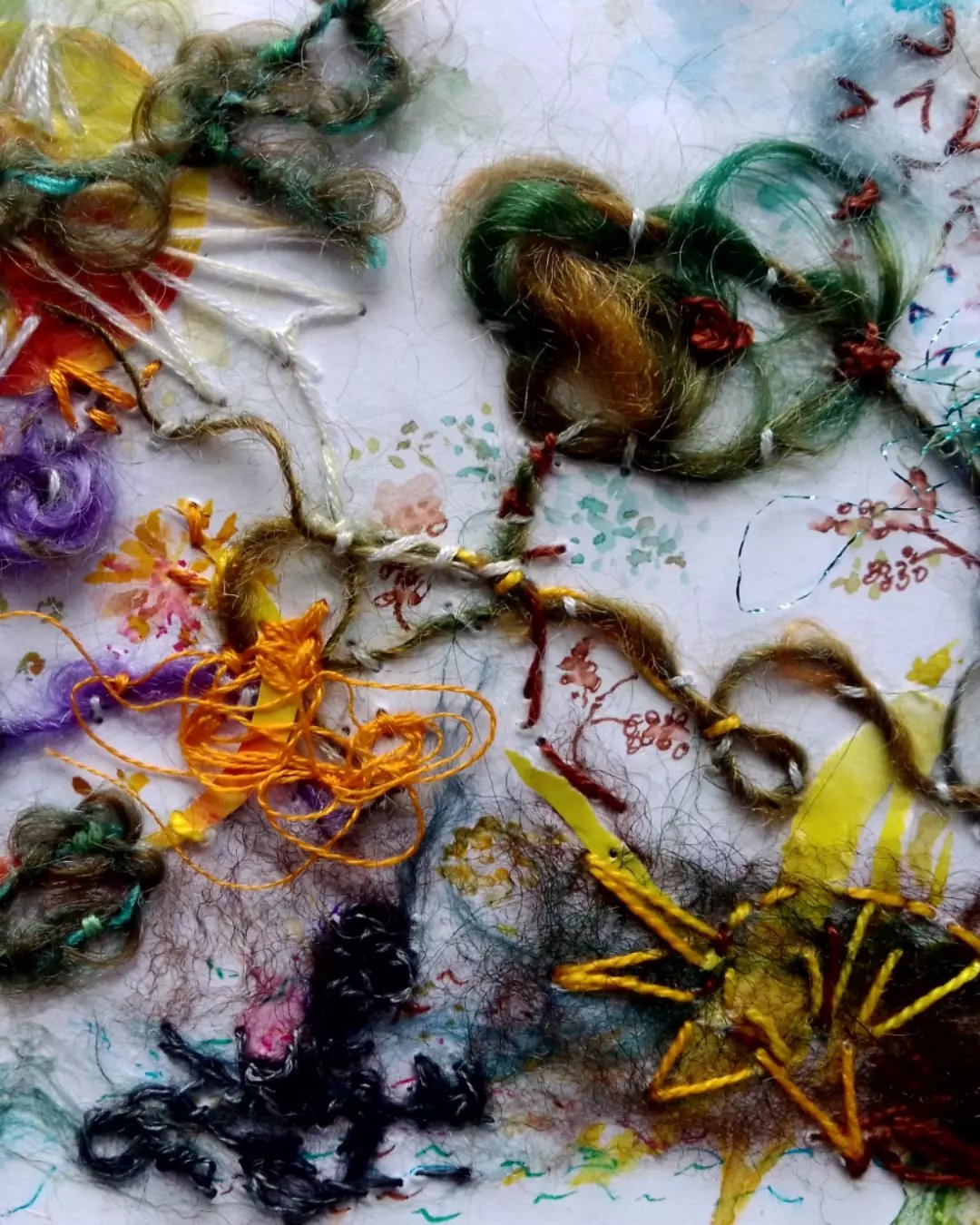
Watercolour, thread and fibre work on paper by Marion Bartko-McCabe, made at Ponte d’Arte

The South African artist spent a month here in the summer of 2024. She came to work, and her practice opened up — watercolour and embroidery on paper, a conversation between brush marks and stitch marks, drawn from the wildflowers of the valley.

Back in her Cape Town studio that autumn she began working larger, on canvas, carrying the direction she had found by the river into the work she has made since.

“New places, different explorations — enjoying the process.”

— Marion Bartko-McCabe

Lana Steiler · France

Five weeks, three sculptures, one van

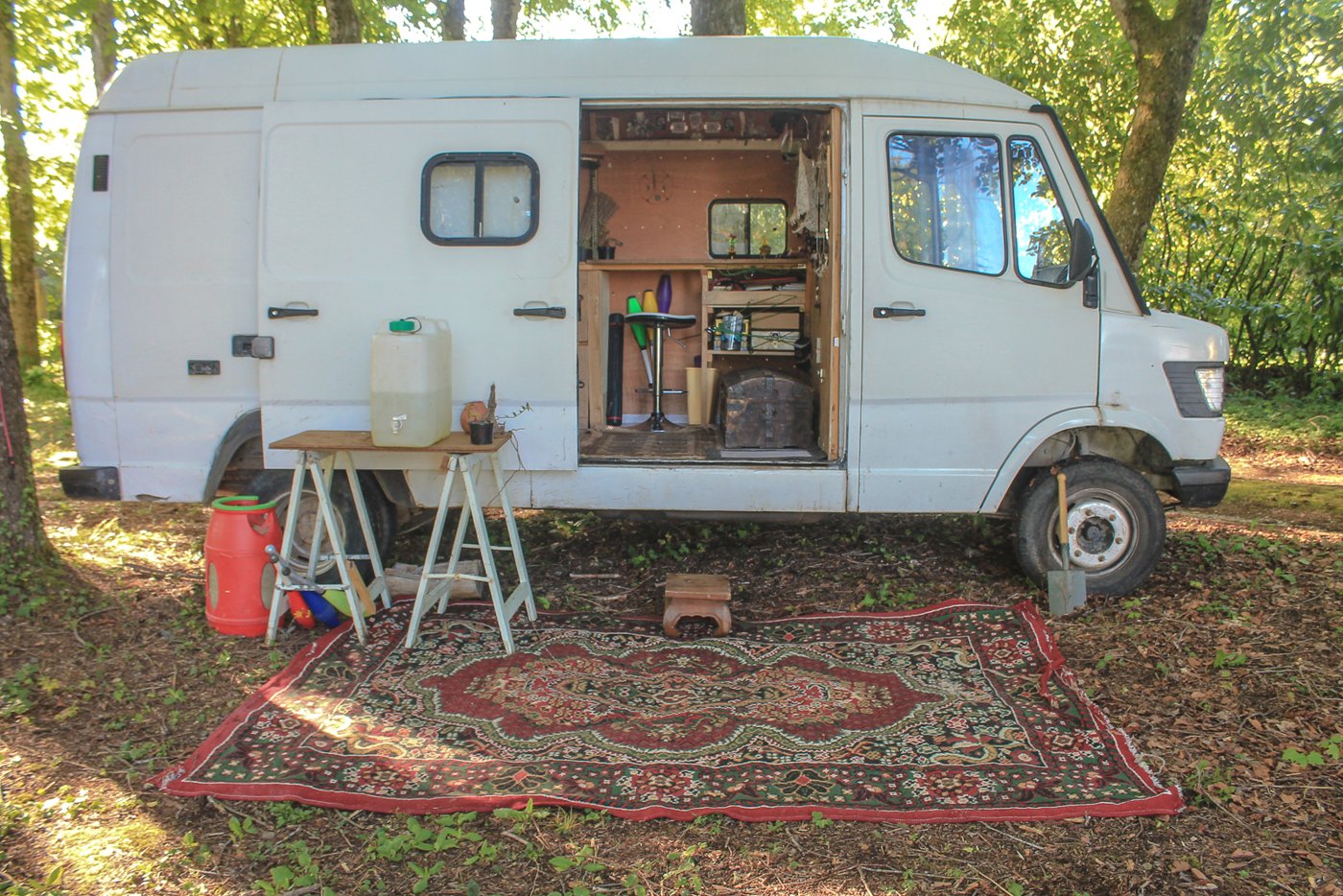
Lana Steiler’s converted Mercedes van, studio and home, in the gardens at Ponte d’Arte

The French land artist drove a converted Mercedes van across Spain and Portugal and stopped here for five weeks in 2020, on a modest, self-directed basis. Working only with what the place gave her, she left three sculptures in the landscape — among them Corte, which covered the abandoned Roman road with leaves and earth until the forest seemed to take it back.

Flora Paim · Brazil / Portugal

Covering the forgotten road

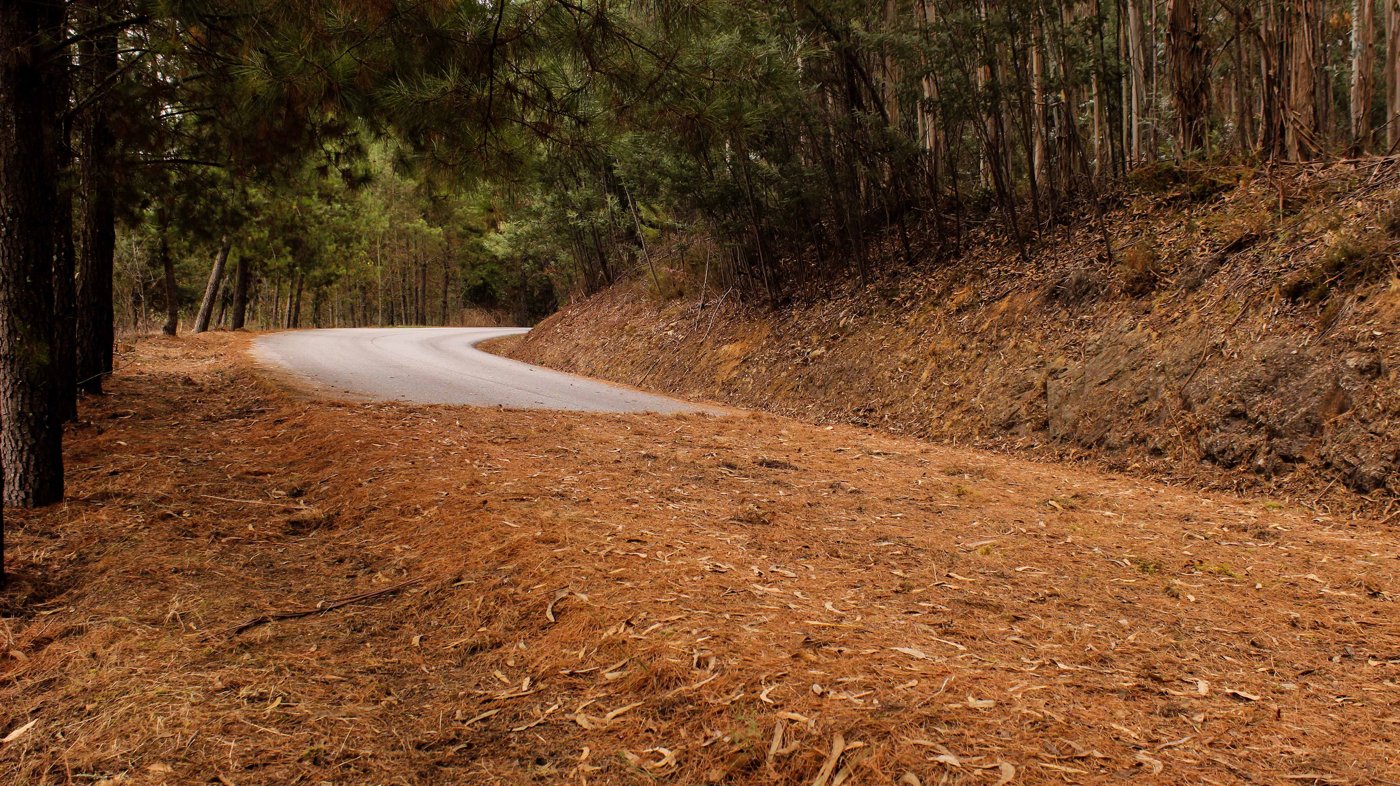
Corte (2017) by Flora Paim — the abandoned Roman road at Ponte da Mucela covered with leaves and earth

A Brazilian architect-urbanist and artist based in Portugal, and a twice-returning resident Celia holds especially dear. Her walks and landscape interventions read the valley as a kind of timeless reliquary — work made in place, from the place, and largely left there.

Manon de Bruyn · Belgium

Drawing in the quiet

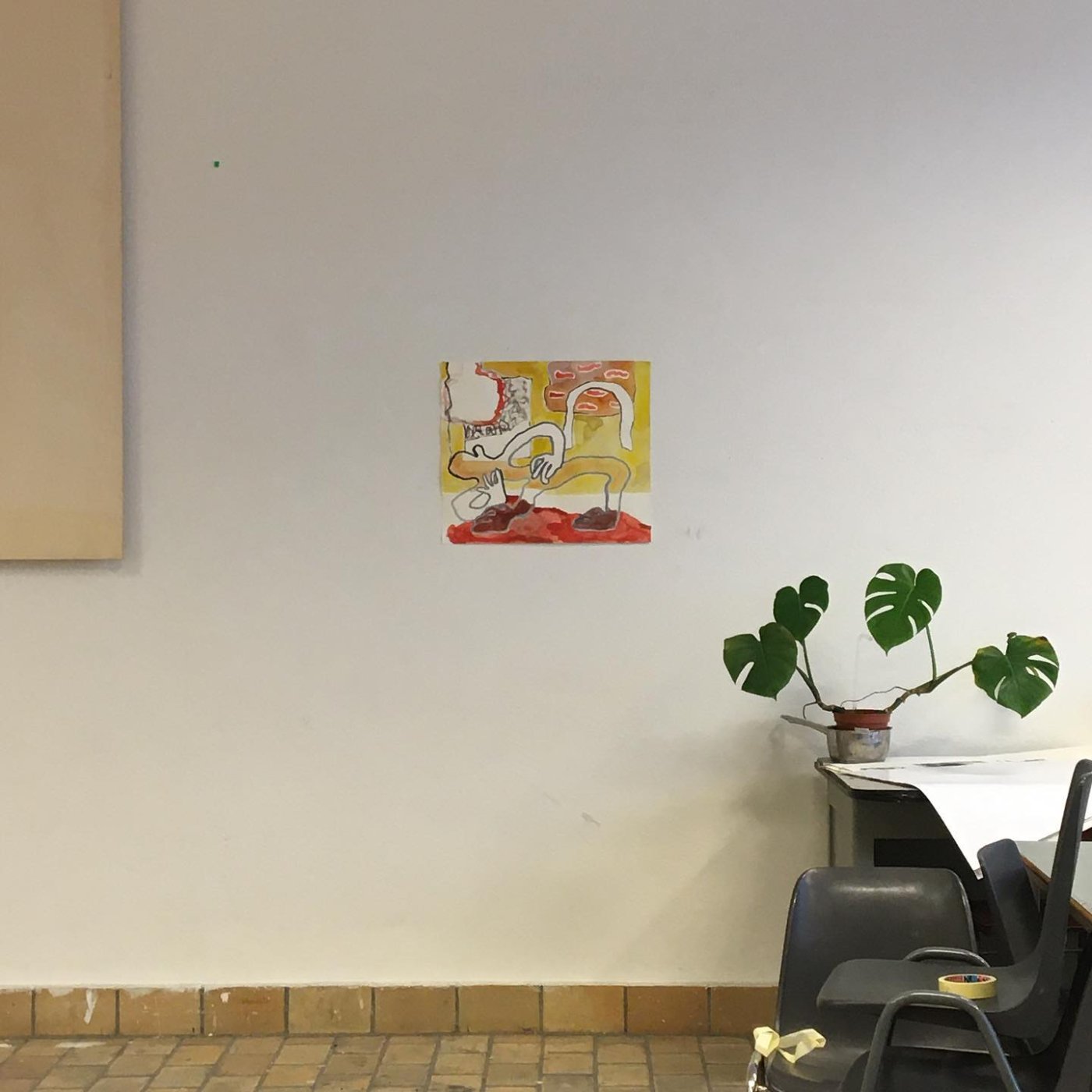
Painting by Manon de Bruyn, made during her stay at Ponte d’Arte

The Belgian artist first came as a visiting student and returned to work here on her own. Her playful, intuitive figures — drawings, paintings and wall works — took shape in the studio by the river, where there was nothing to do but make.

 
Back to top ↑