Celia de Villiers
Artist, educator, curator & researcher · Co-Director, Ponte d’Arte
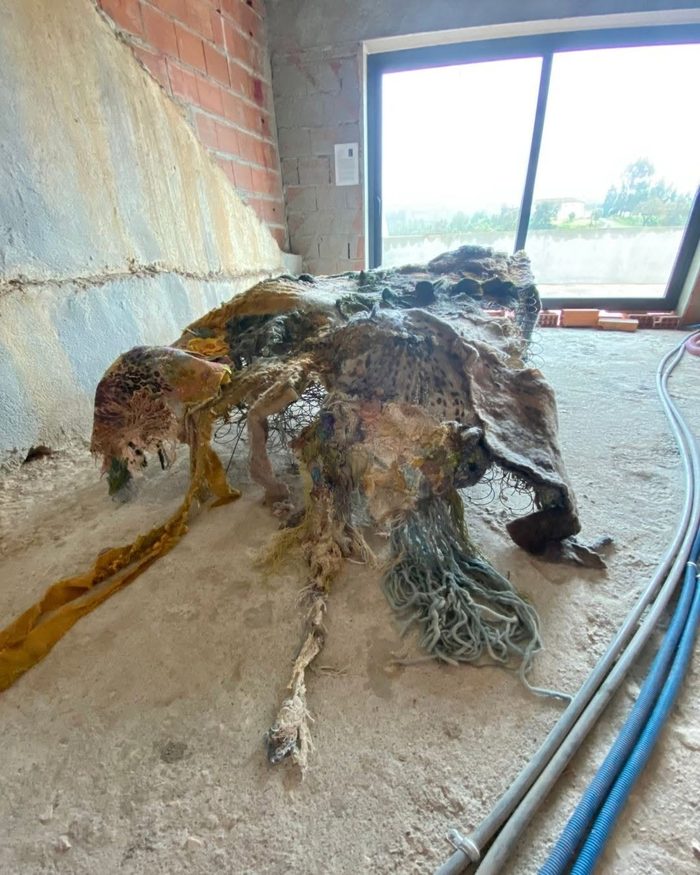
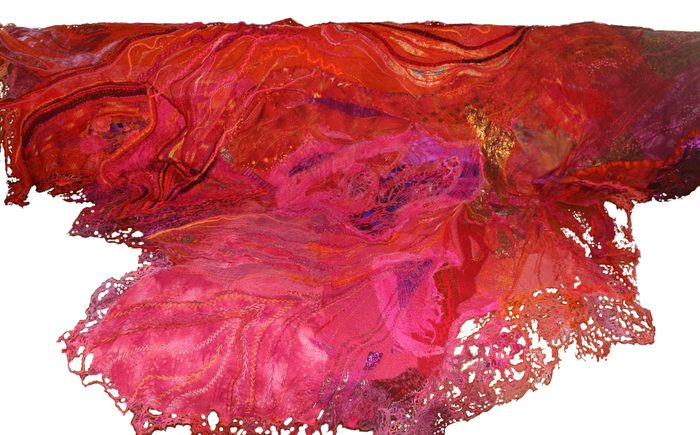
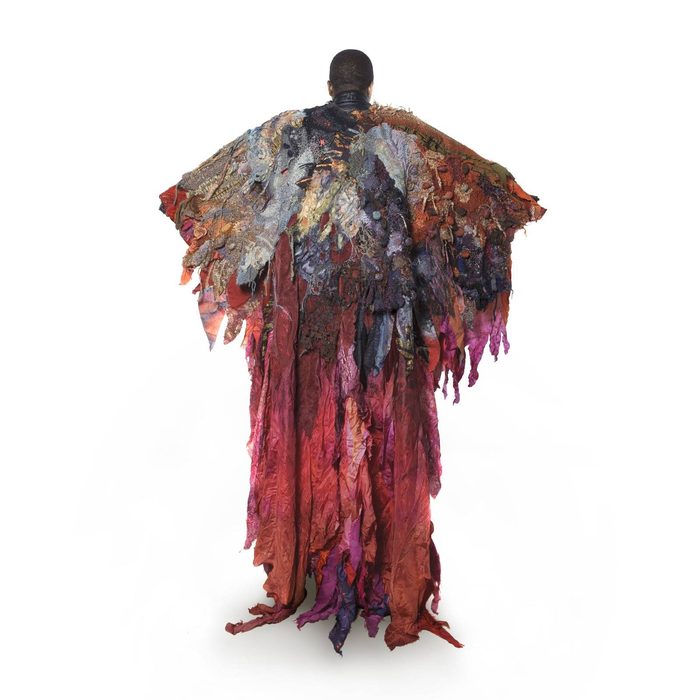
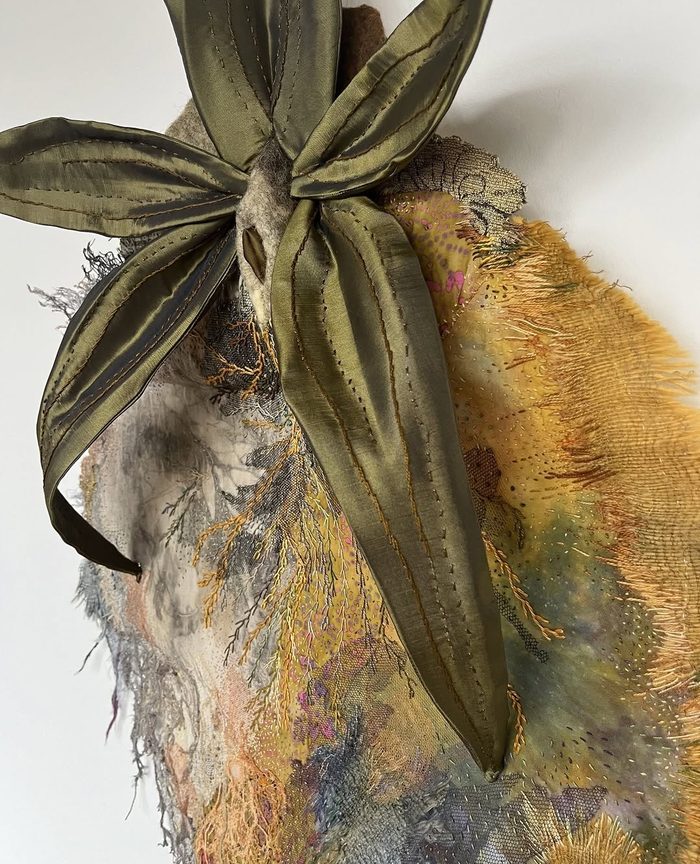
Cloak for a Shaman 2008
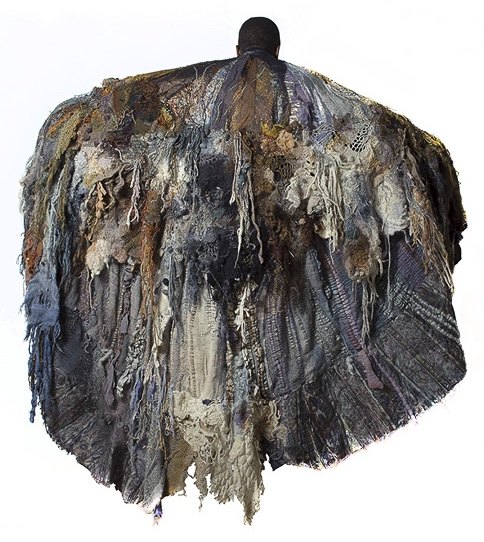 Image to come(Missing info)
Part of the series Regeneration
The status of a shaman is sometimes bestowed on the metalworker who controls fire and forges sacred objects.Celia de Villiers
“I remain fascinated by the idiosyncrasies and eccentricities of indigenous healers, and by the psychic and magical powers traditionally bestowed on the makers of ritual masks and garments. My interest is driven by the fear of losing something precious.” As the French sociologist Jacques Ellul warned in The Technological Society (1964), rites, magical techniques and sacrificial practices disappear while new civilisations fashion a new stock of technical magic.
In South Africa we have a very ancient custom of traditional healers and indigenous cultural leaders — sangomas and inyangas — who are attributed with supernatural powers. De Villiers has been fortunate enough to meet living legends such as the rain queen Modjadji and the well-known Credo Mutwa; these encounters have had a strong impact on her art-making. This cloak is one of a series of ritual garments made during her continuing interviews and research about tribal healers.
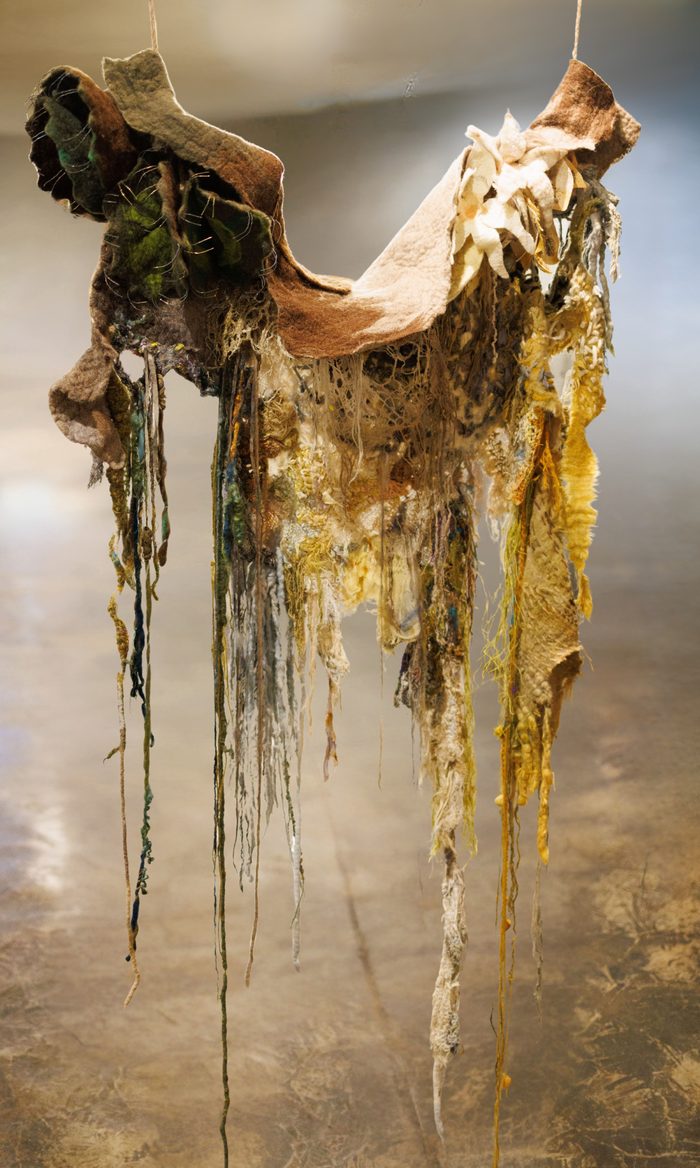
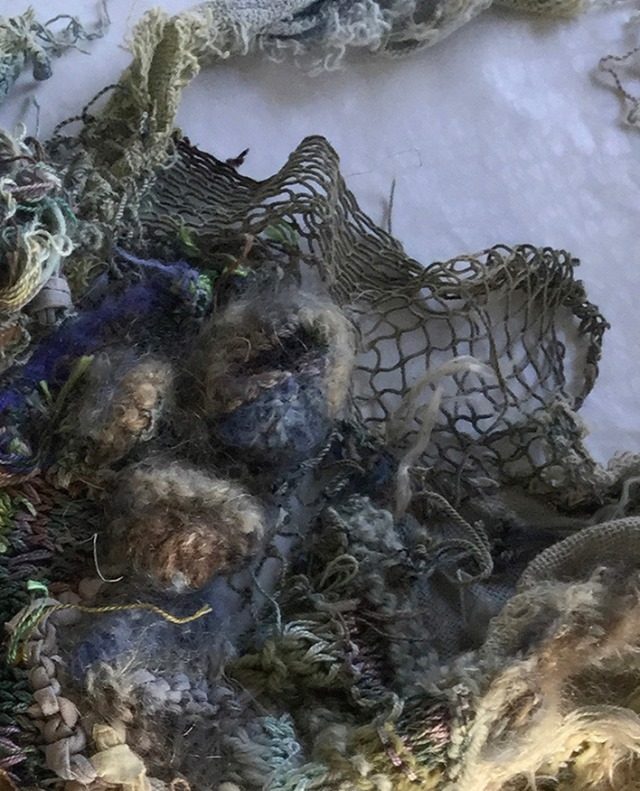
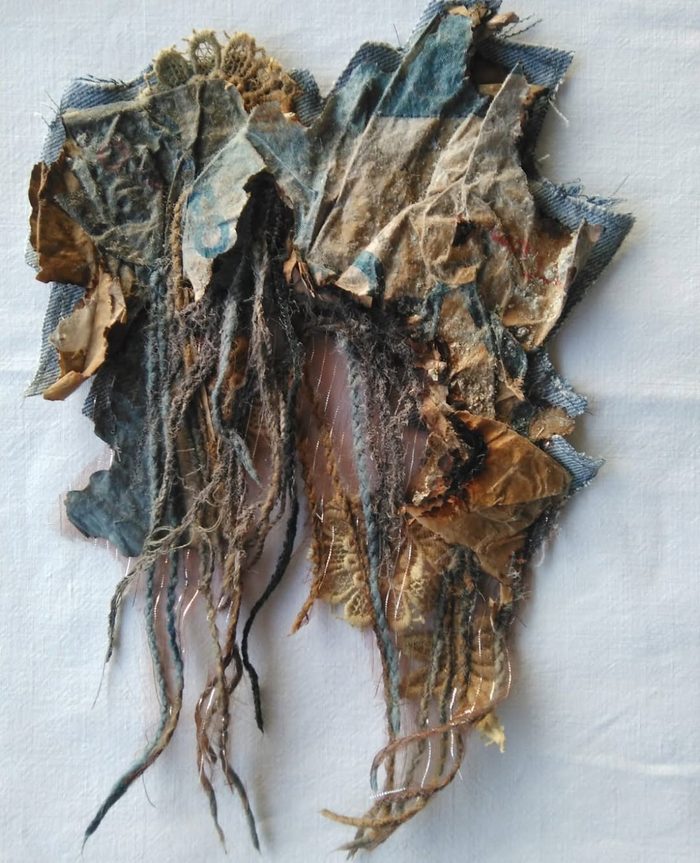
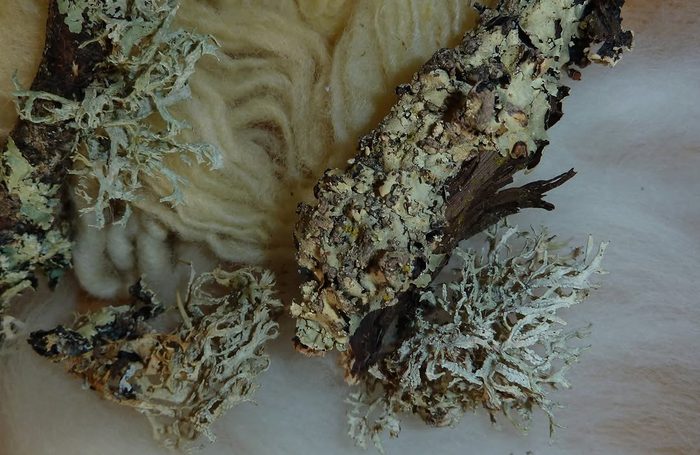
The status of a shaman is sometimes bestowed on a traditional African metalworker, for his ability to control fire and forge sacred objects. The colours of the cloak follow that alchemy: black for the germinal stage, brown for the earth as a life-giving force, white for purification and timelessness, and grey — the colour of ash — as the bridge between the first and final stages of forged metal. Ash-toned fibres are juxtaposed with the metallic sheen of silver and copper, said to be one of the best transmitters of healing energy; the weaving and stitching are themselves meditative acts of reparation. The extensive use of handmade felt echoes the German artist Joseph Beuys, who cast the artist as a shaman.
That link between the metalworker and the shaman runs through the writings of Credo Mutwa — not as verified history, but as part of a speculative lore now often read within the Afrofuturist tradition. In Let Not My Country Die (1986), Mutwa describes master blacksmiths as a secret order, keepers of sacred knowledge, and calls the East African smiths from whom he claimed to have learned sanusis — high shamans; he traces the craft to Ngungi, the smith of the gods, taught by the ‘Old Man of the Sea’. Trained as a blacksmith and sculptor himself, Mutwa wrote of tempering copper harder than steel, and of forging a ‘muwudzi’ steel as bright as silver and sharp enough to split a flamingo’s feather. It is this esoteric lineage — more myth than record — that the cloak imagines in cloth and felt. References: V. C. Mutwa, Let Not My Country Die (1986), and Song of the Stars: The Lore of a Zulu Shaman (1996).
Selected in 2008 as one of 120 works from 800 entrants for the International Juried Exhibition of the World Council for Arts & Culture, USA, where it was awarded the juror’s prize by Marian Parmenter, director of the San Francisco Museum of Modern Art Artist’s Gallery, Presidio.