Celia de Villiers
Artist, educator, curator & researcher · Co-Director, Ponte d’Arte
Mycoremediation 2022
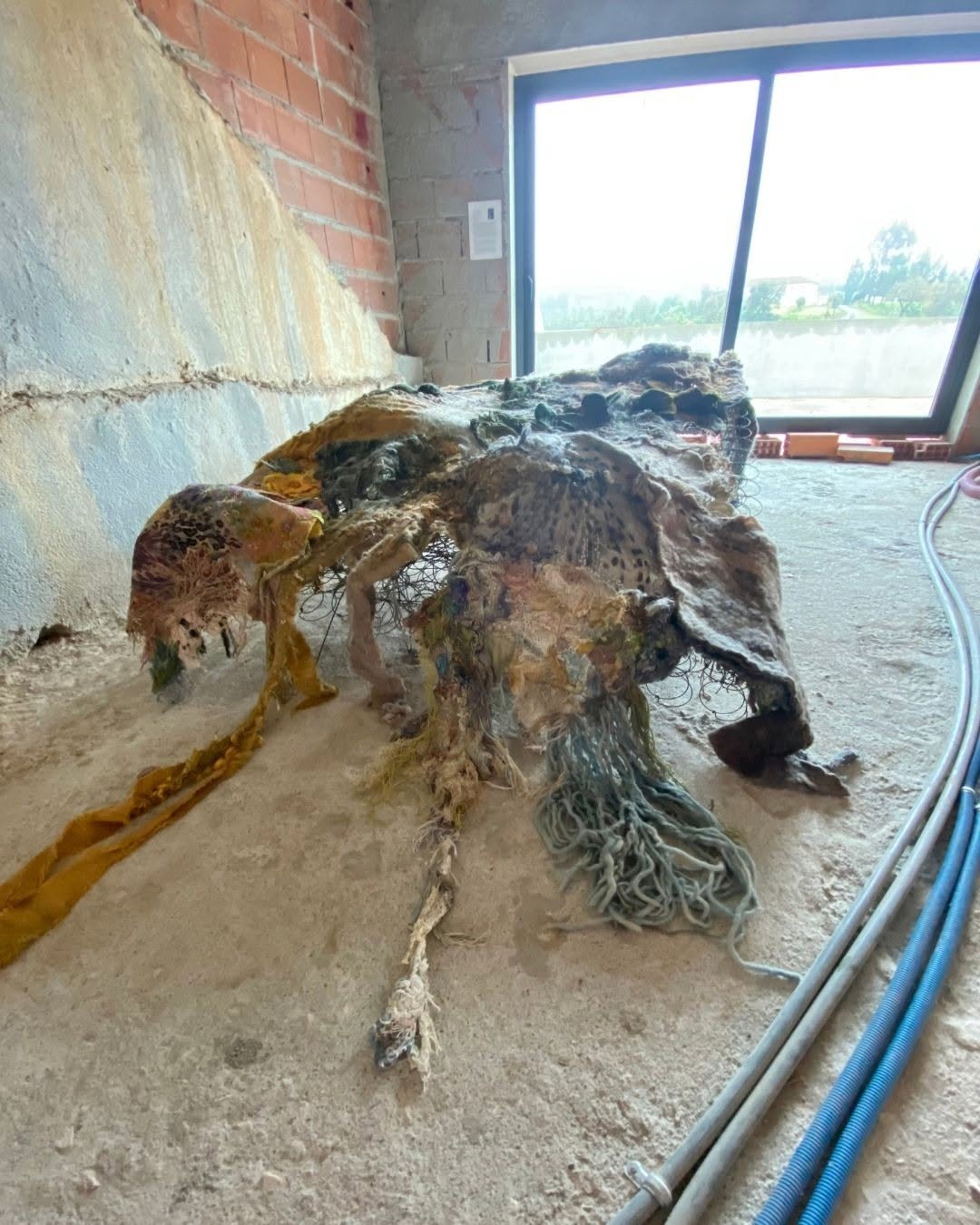 Image to come(Missing info)
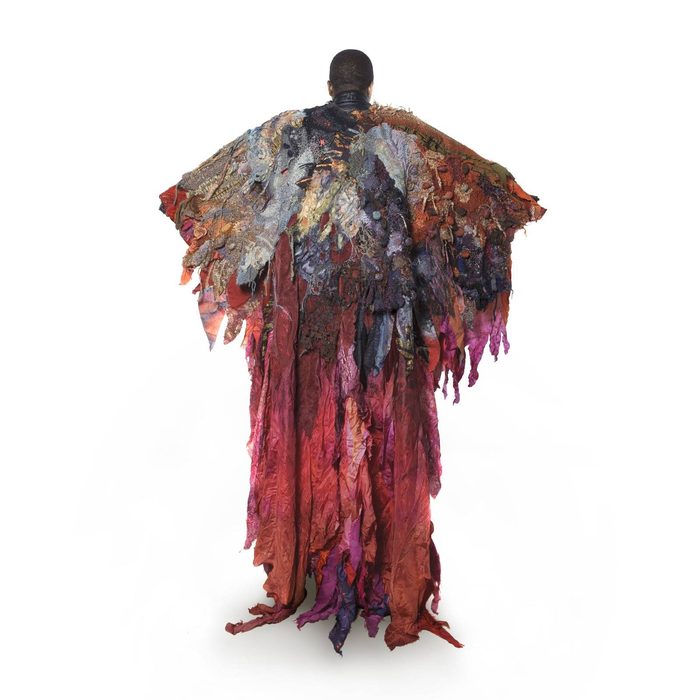
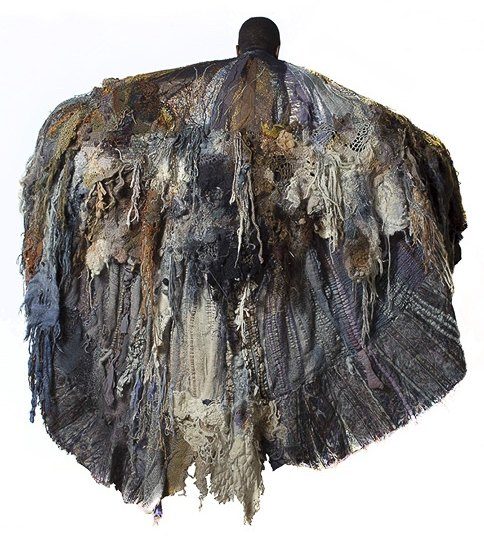
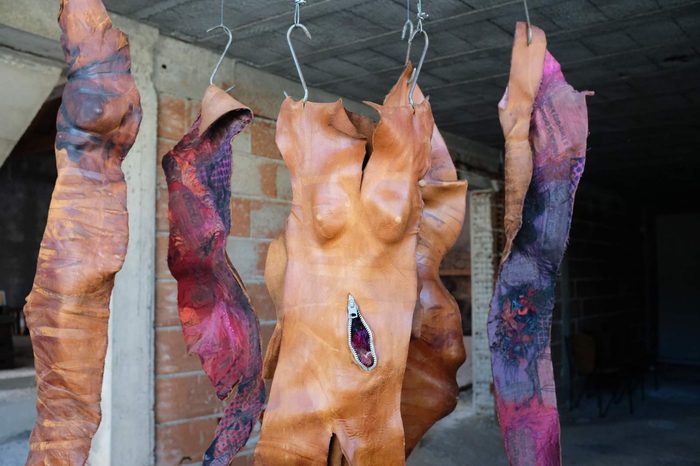
Exhibited in The Fire and After (2017–present)
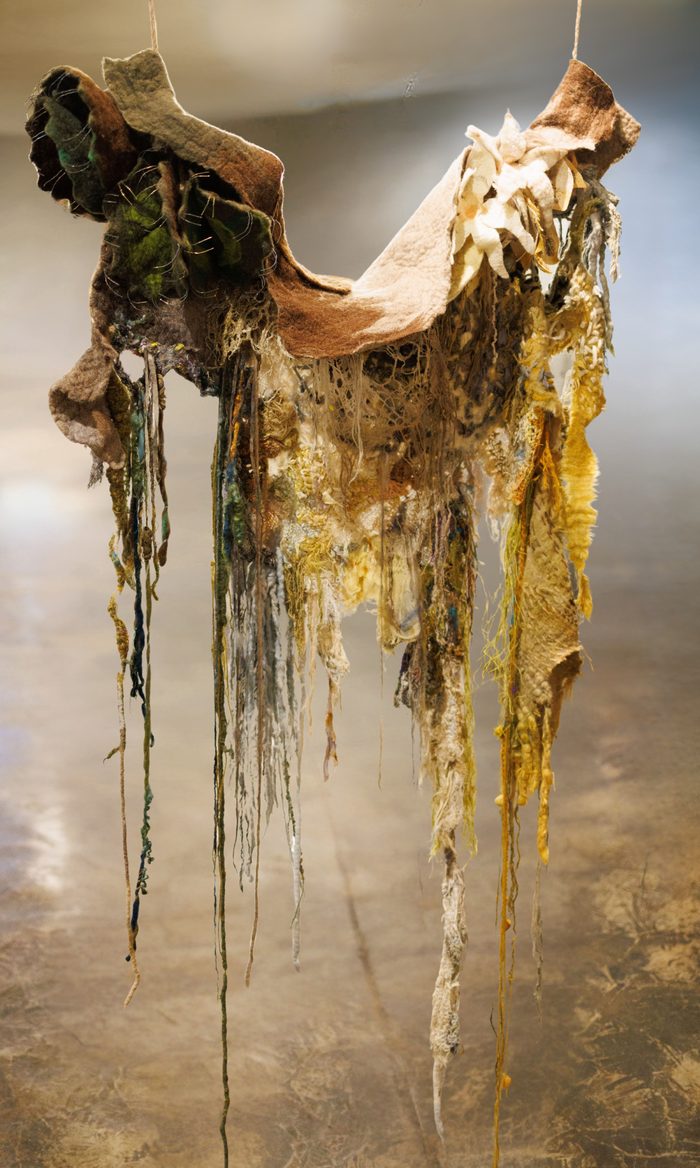
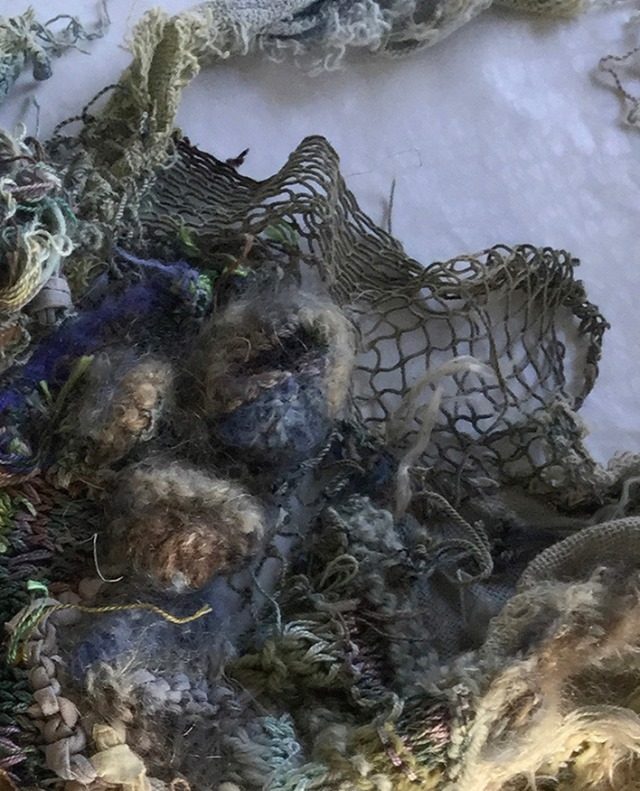
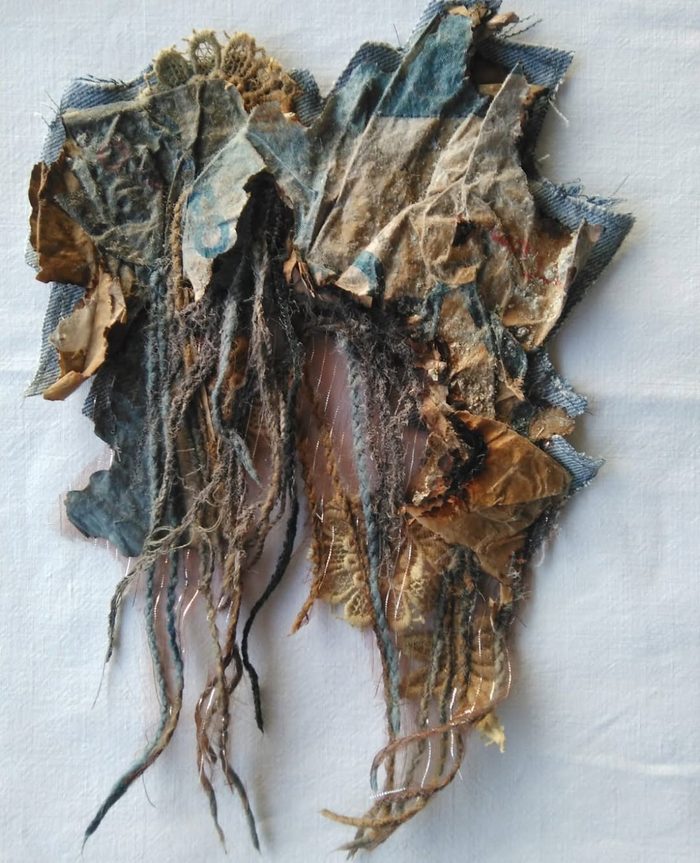
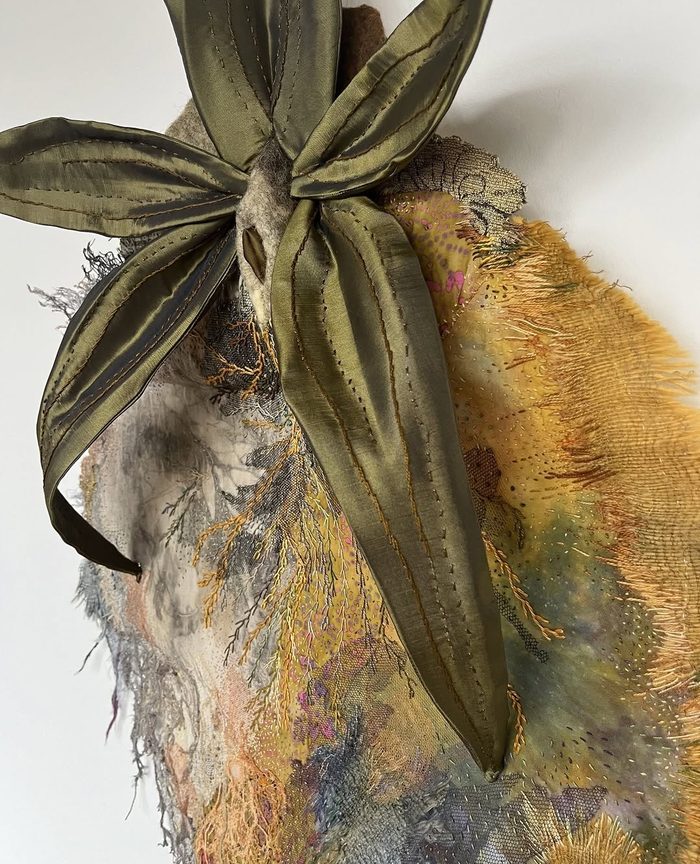
A fungus fantasy developed from an innerspring mattress — a textile sculpture imagined as a substrate on which mycelial filaments might grow. Research into mycelia underpins today’s bioengineering and cellular-agriculture industries, and — as the biologist Merlin Sheldrake describes (2020) — is being investigated in laboratories for many uses. The current Fourth Industrial Revolution merges the physical, digital and biological worlds — much as the First, too, was bound up with textile manufacture.
A conceptual model for future ecological processes, the work is 98% reclaimed waste. It proposes a game-changing range of products — growing, decomposing and re-making waste objects into innovative, energy-efficient modes of production. Its form is inspired by the bracket mushroom (shelf fungus, or conk), a primary decomposer essential to terrestrial ecosystems such as the forest floor, which converts debris into usable inorganic elements. This textile vision of a future generation’s bed remediates functional furniture and mythical forest tales.
Part of de Villiers’ recent ecological work, made in response to the wildfires around Ponte da Mucela, it was shown in Feito & re-Feito (2024). Reference: M. Sheldrake, Entangled Life (Vintage, 2020).