Celia de Villiers
Artist, educator, curator & researcher · Co-Director, Ponte d’Arte
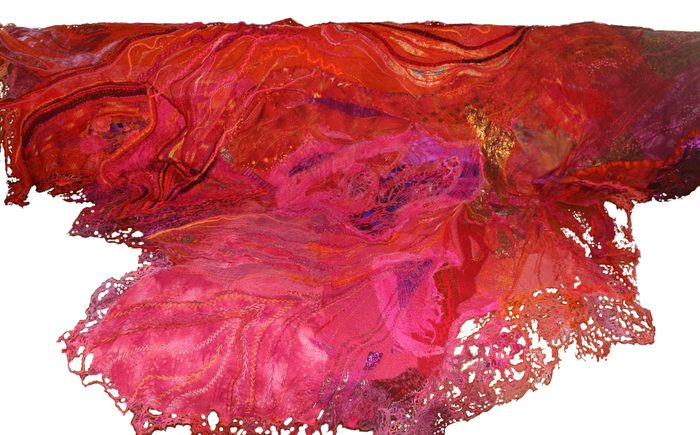
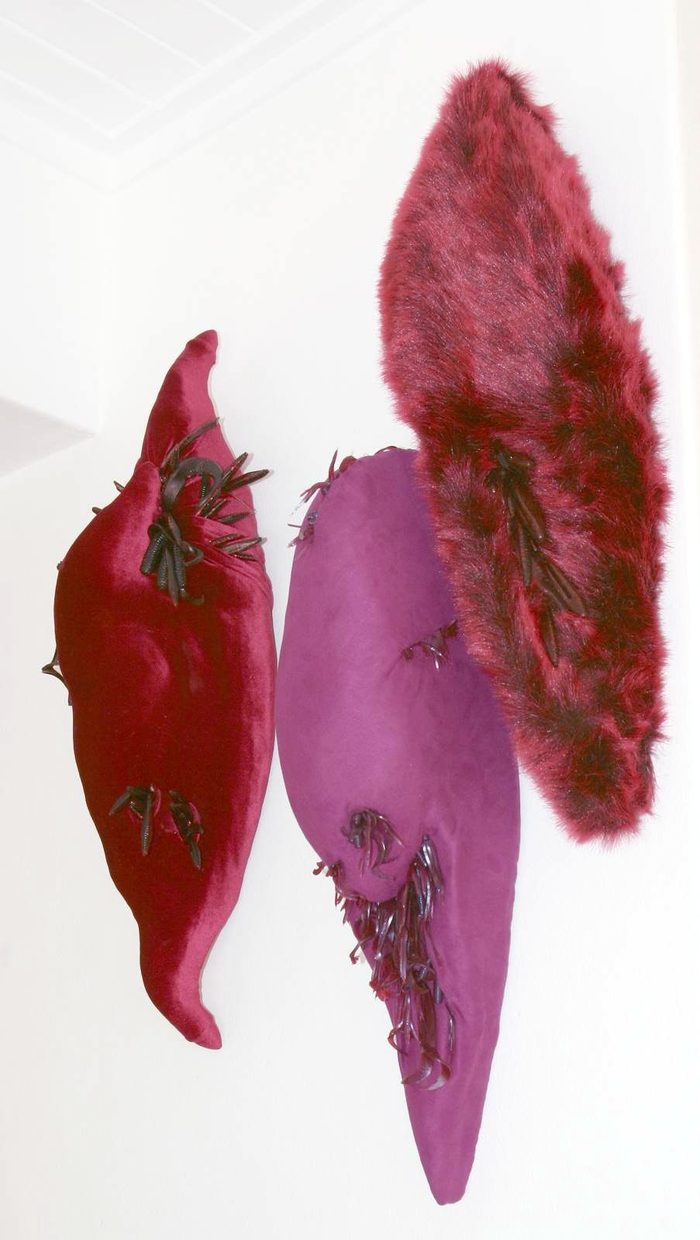
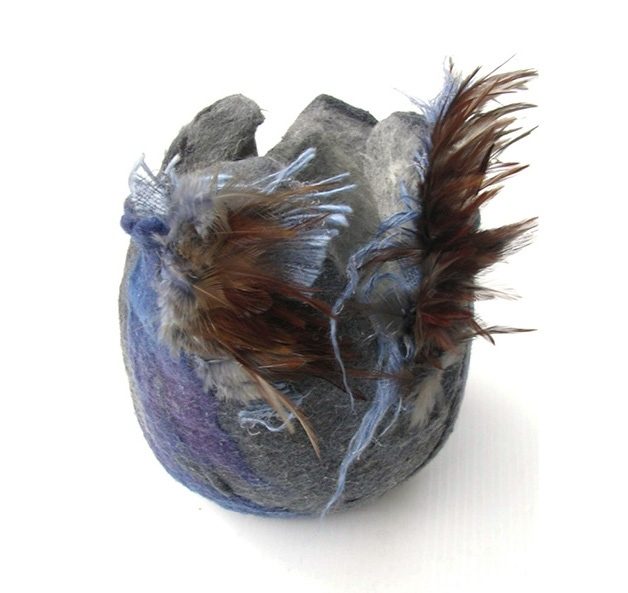
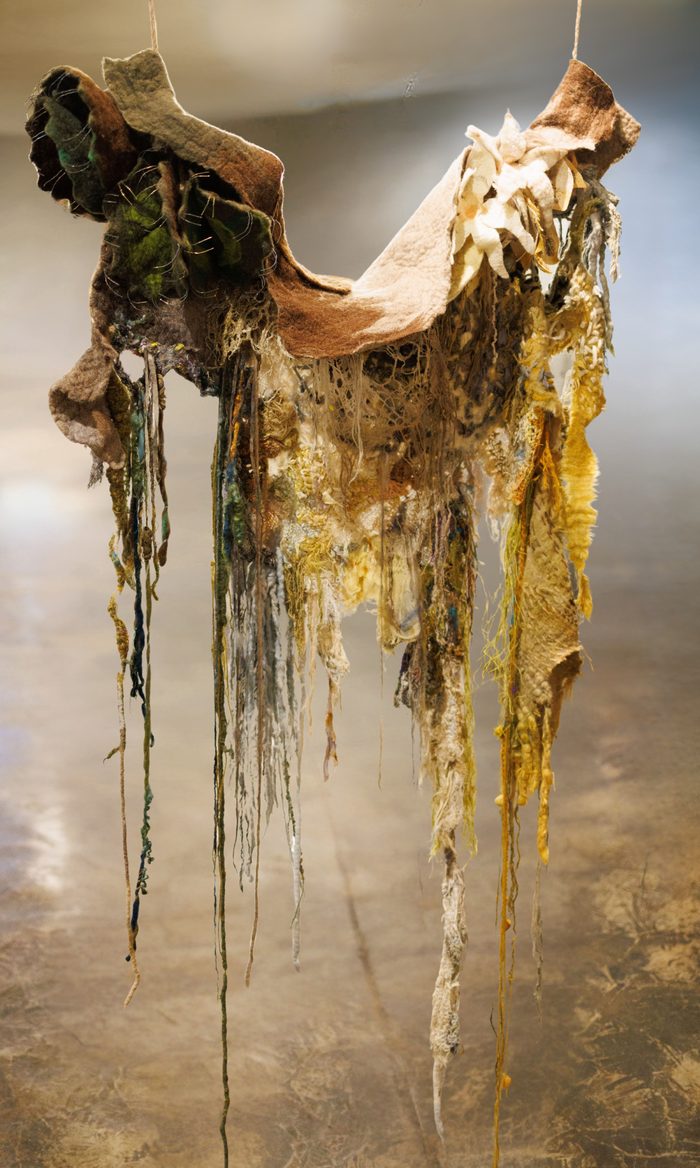
Orchidelirium and Other Obsessions 2024
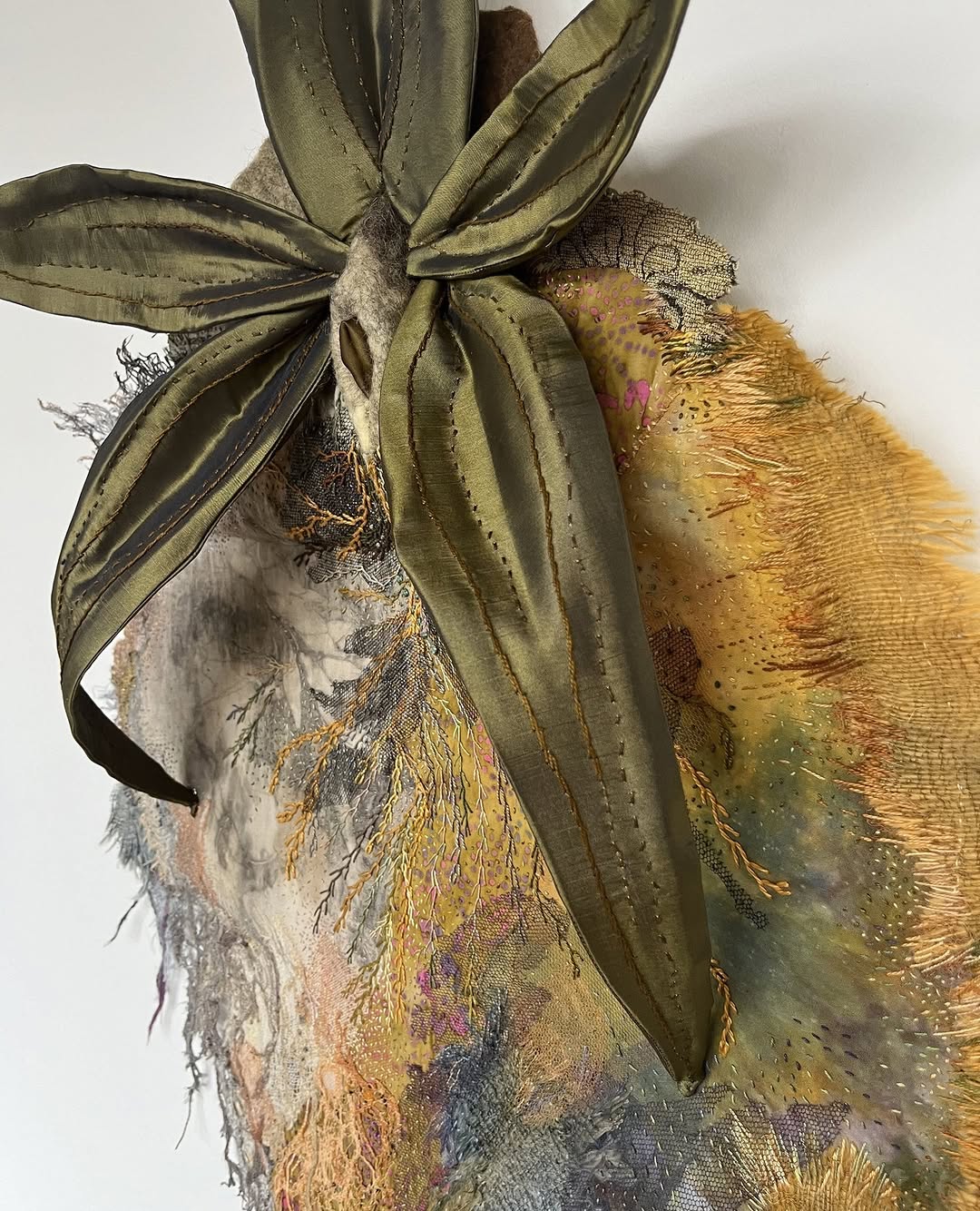 Image to come(Missing info)
Orchidelirium names the madness that took hold in the Victorian era, when collectors scoured the globe for new species — expeditions often made in secret to evade rival orchid hunters.
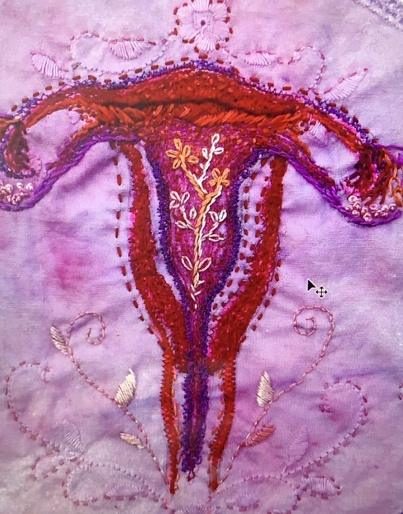
The orchid’s nifty abilities speak to my enduring interest in the sublime of delightful horror — the experience of simultaneous aversion and attraction. Its primary objective is proliferation: the orchid is the largest and most varied flowering genus on the planet, thanks to a superb, bizarre impersonation that perfectly illustrates a highly evolved and selective plant–pollinator relationship.
The botanist and photographer Christian Ziegler writes of ‘deceptive beauties’, and the naturalist Charles Darwin called the orchid’s pollinating method a ‘beautiful contrivance’. Ophrys orchids can mimic the pheromones — and even the appearance — of female bees’ reproductive organs, so that certain males prefer this pseudocopulation to mating with their own kind. My fascination lies in the delightful horror of the hoodwinked pollinator, who gains nothing from the deception but frustration.
References: C. Ziegler (intro. by M. Pollan), Deceptive Beauties: The World of Wild Orchids (University of Chicago Press); J. L. Osborne, ‘Flowering and reproduction / pollination’, Encyclopedia of Applied Plant Sciences (2003).