Celia de Villiers
Artist, educator, curator & researcher · Co-Director, Ponte d’Arte
Beyond an Inferno 2017–2020
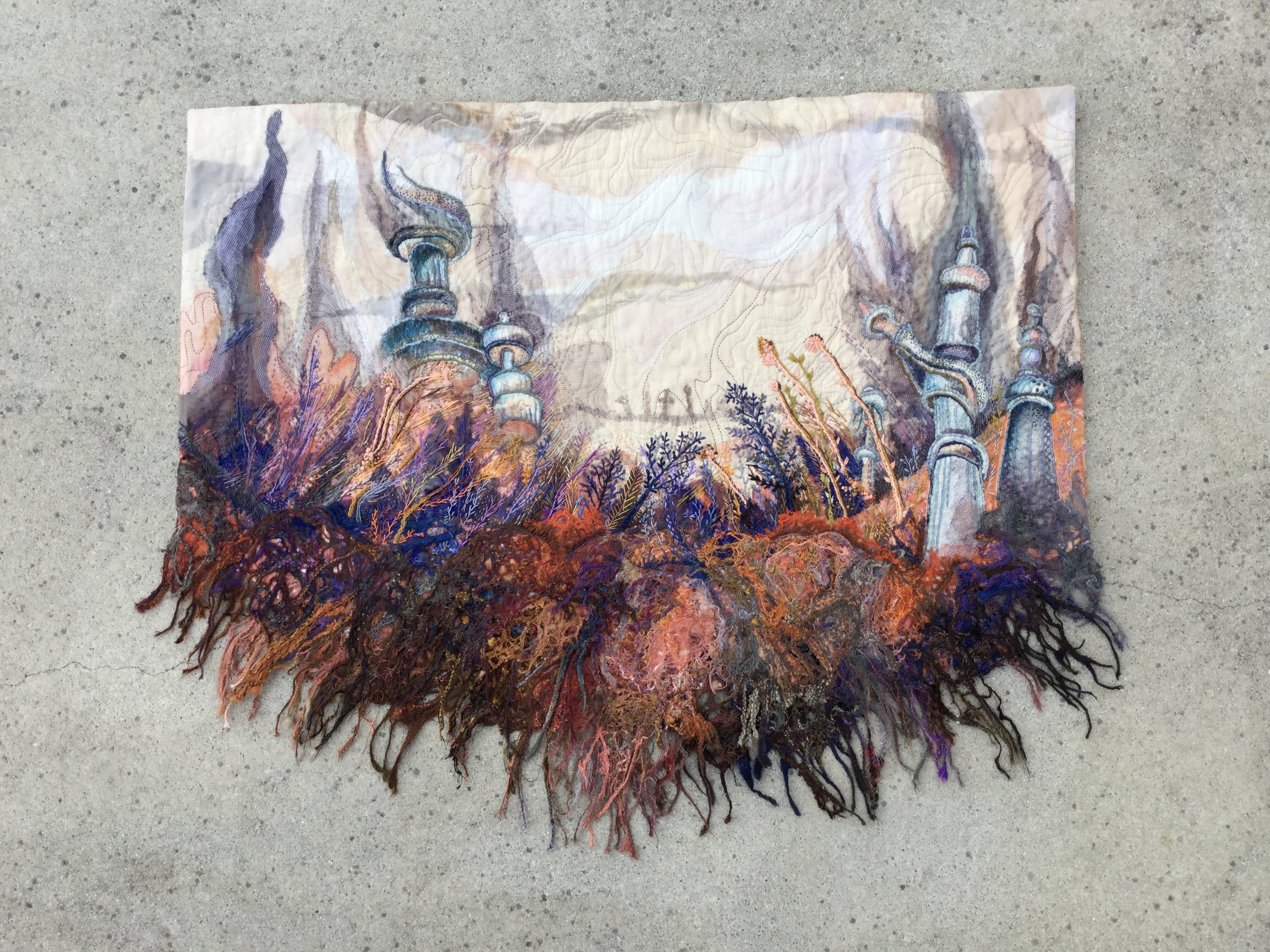 Image to come(Missing info)
Exhibited in The Fire and After (2017–present)
Memory itself is a re-imagining of what is lost or gone. “If loss is known only by what remains of it, then the politics and ethics of mourning lie in the interpretation of what remains — how remains are produced and animated, how they are read and sustained.”
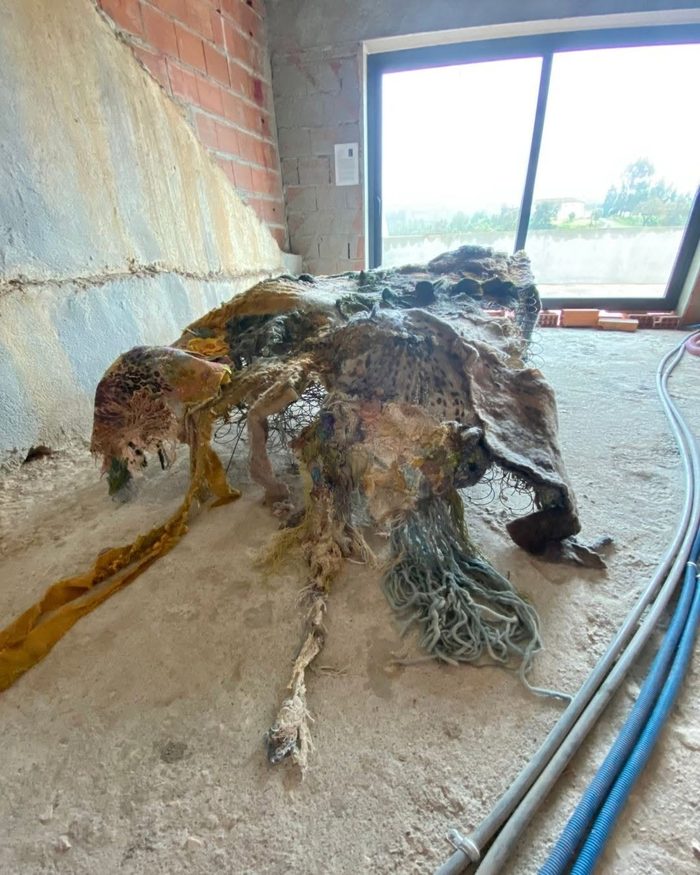
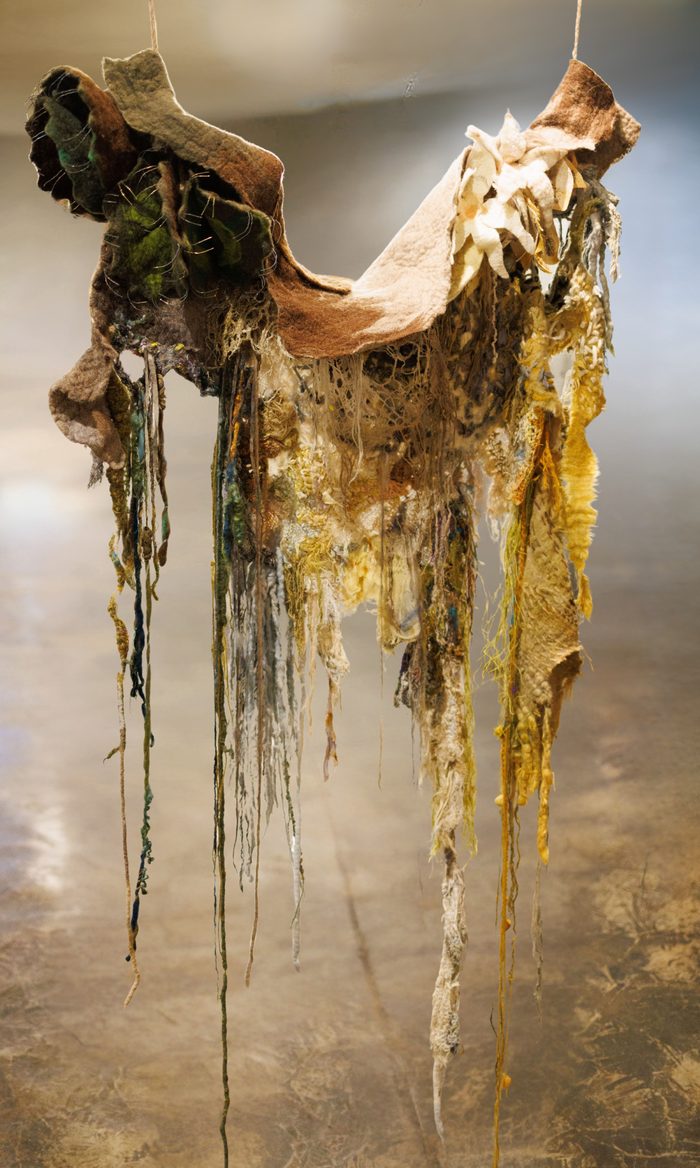
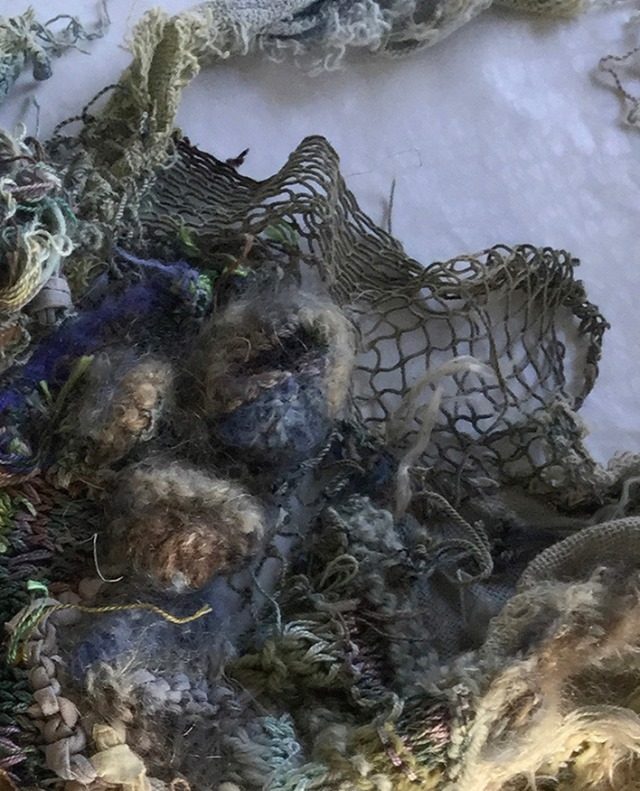
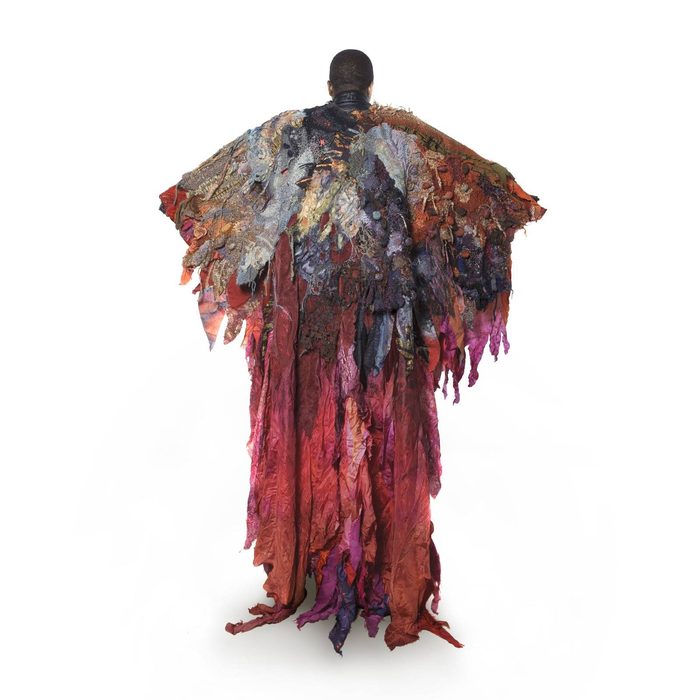
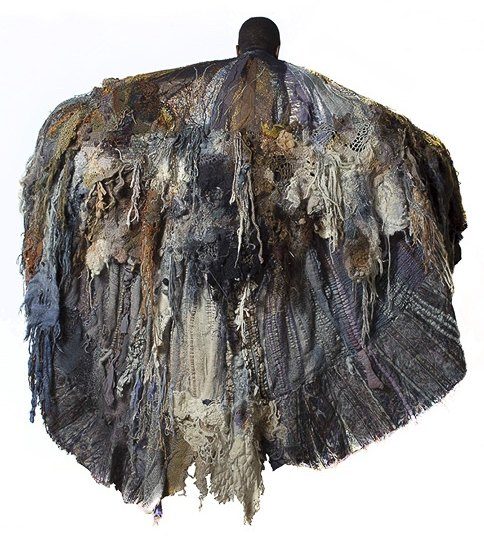
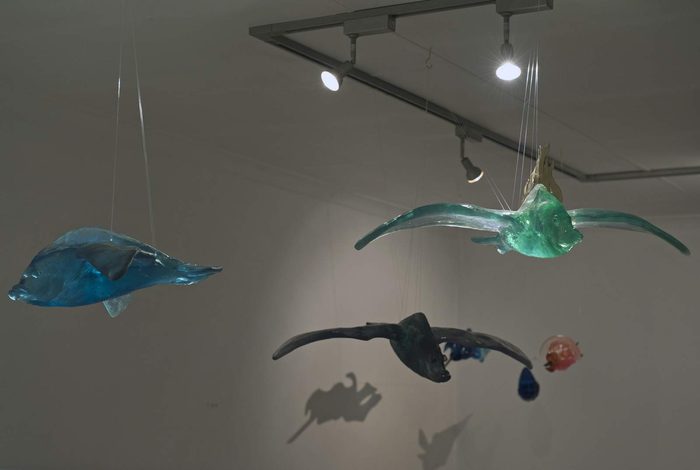
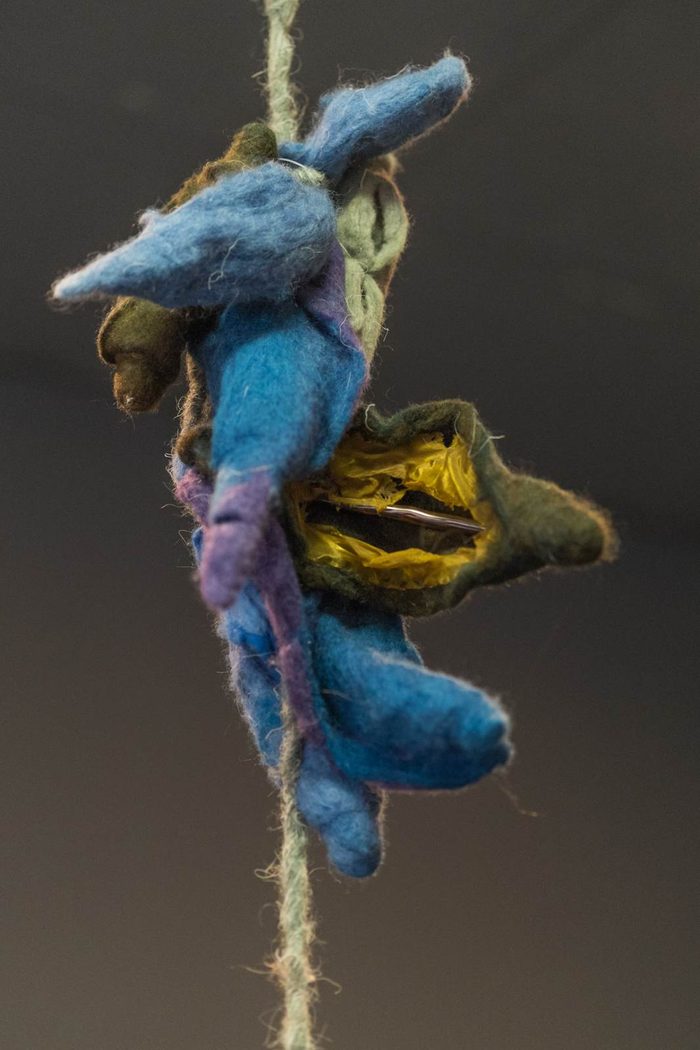
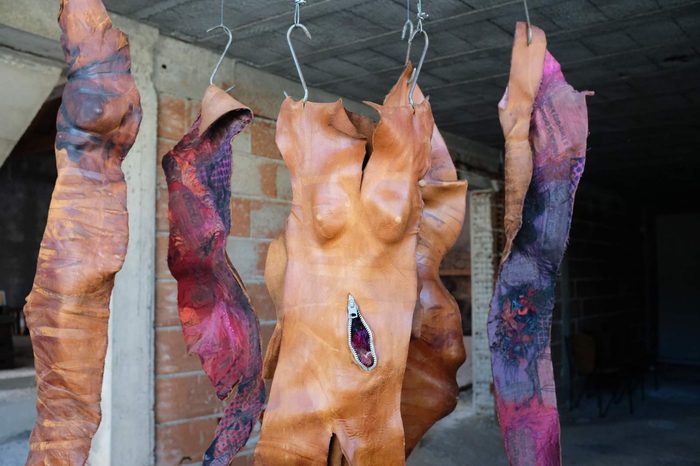
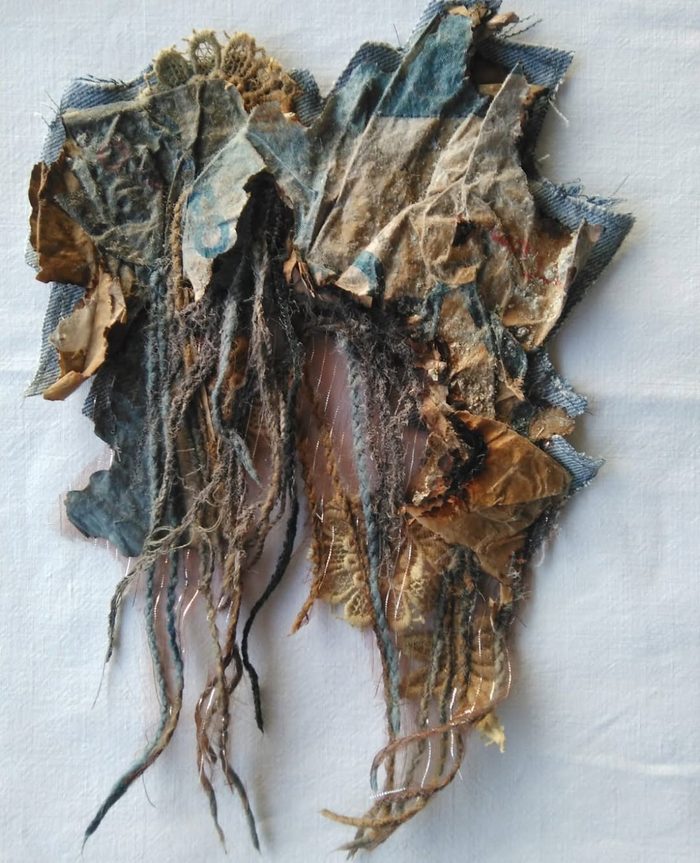
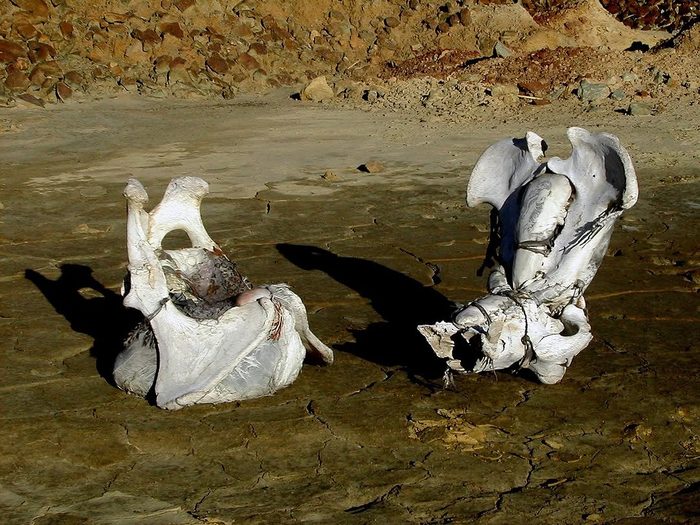
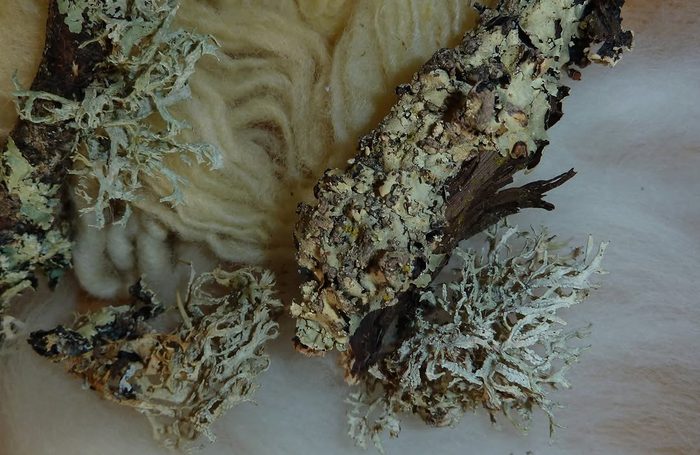
On 15 October 2017 wildfires destroyed our garden, olive grove, and a warehouse in Portugal containing most of my possessions, shipped from South Africa in 2016. For a lifetime I had collected vintage textiles, yarns, artworks and household goods. Two weeks before, I had removed a single box of yarns, hoping to start an artwork. Uncannily, the only residue of the inferno turned out to be those threads and wools — the exact colours left behind by the fire.
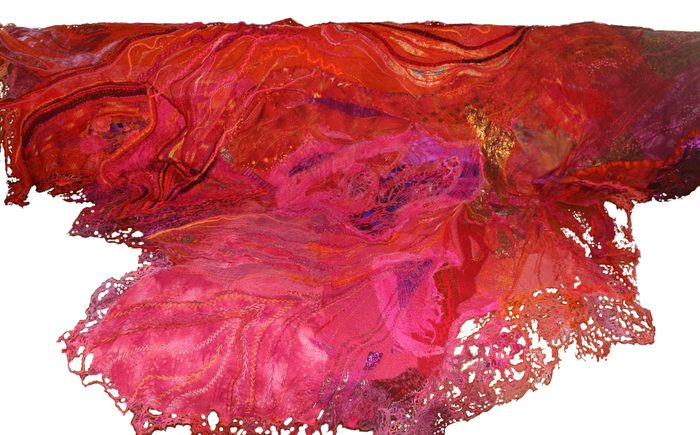
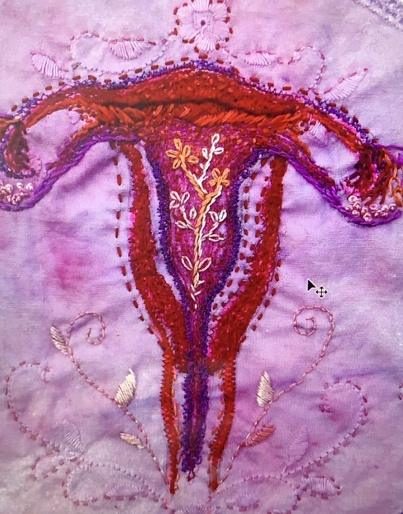
Burnt debris and the ensuing rain had yielded astonishing tints and textures, corrosive marks and contorted shapes. Compelled to express the disaster, I repeatedly drew our burnt power-tools over the next two years. Interpreting those aftermath drawings into embroidery, I inverted them — they became an imaginary, surreal place, an ambiguous stitched psycho-geographical map, navigated by my salvaged yarns.
It was shown in Feito & re-Feito (2024) at the Garagem Exhibition Centre, Ponte da Mucela. Reference: D. L. Eng & D. Kazanjian (eds), The Politics of Mourning (University of California Press, 2003).