Celia de Villiers
Artist, educator, curator & researcher · Co-Director, Ponte d’Arte
Litany c. 2015–2020
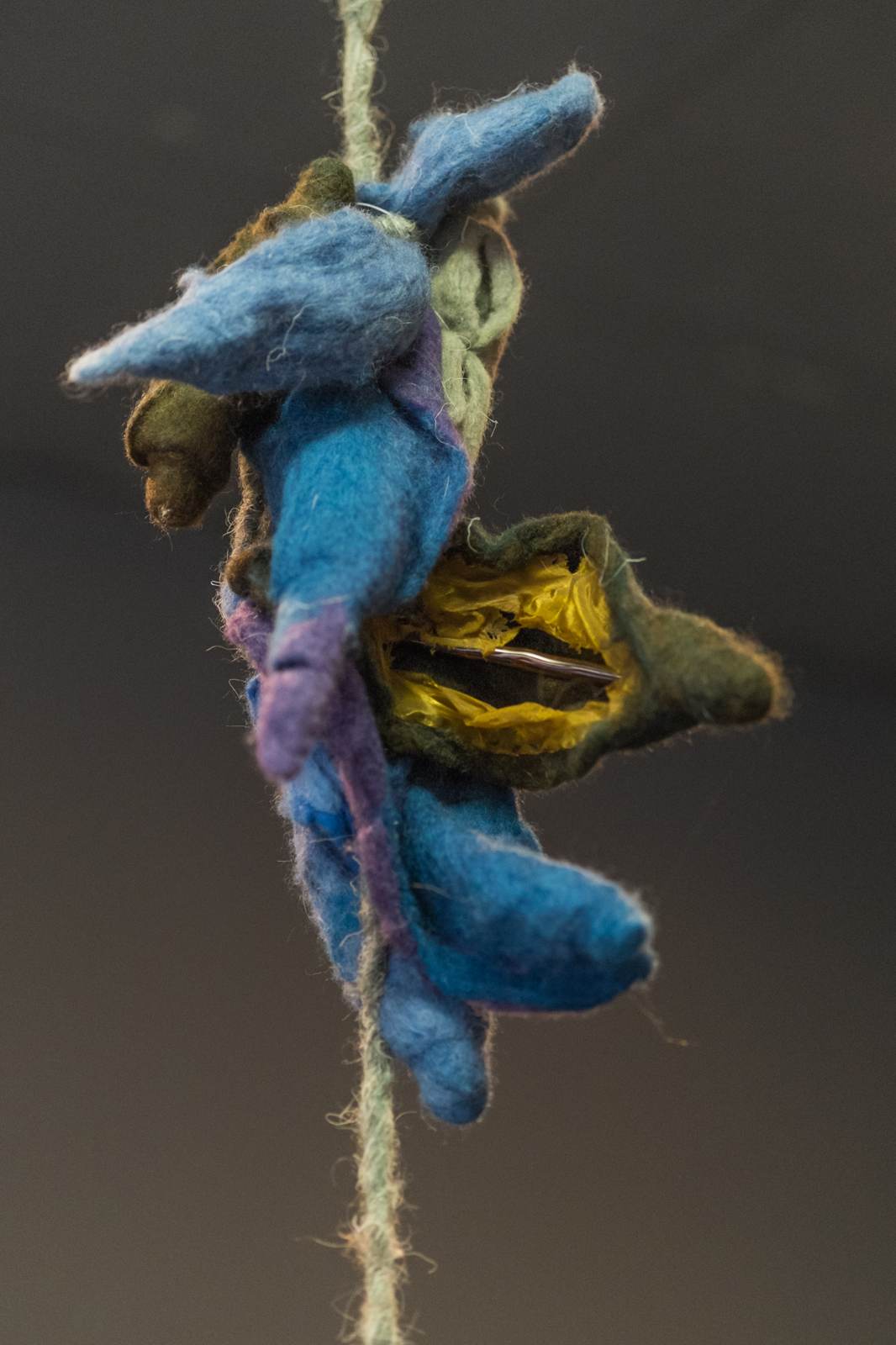 Image to come(Missing info)
It is the ability to mutate in contaminated environments that gives life the power to survive.Celia de Villiers
A room-scale ‘seabed’ built entirely from repurposed post-consumer materials — felted, hand-woven and eco-dyed fibre interbred with PET plastic.
It is an ironic comment on genetic adaptation under plastic pollution. As Professor Thorsten Reusch, of the Institute for Evolution and Biodiversity in Münster, has shown (2013), marine pollution can drive genomic drift — phenotypic mutations in subcellular systems — reducing biodiversity and threatening the extinction of species. Here the artist’s hand performs that mutation, interbreeding organic hand-woven and felted fibres with industrially-processed PET plastics.
This is one of two biodegradable textile-collage seabeds de Villiers made; the other was for Aquatic Insurrection. Litany was shown only once, at the Mokgalakwena Gallery, Cape Town, curated by Elbé Coetzee, in 2015.
More in Installation
More in Fibre Art
 Mycoremediation
 Liminal Rite
 Disavowal
 Resonance
 Fragile Negotiations
 Womb Stories
 Saudade Bahia
 Forged by Fire — A Cloak for Nommo
 Cloak for a Shaman
 Aquatic Insurrection
 The Big 6
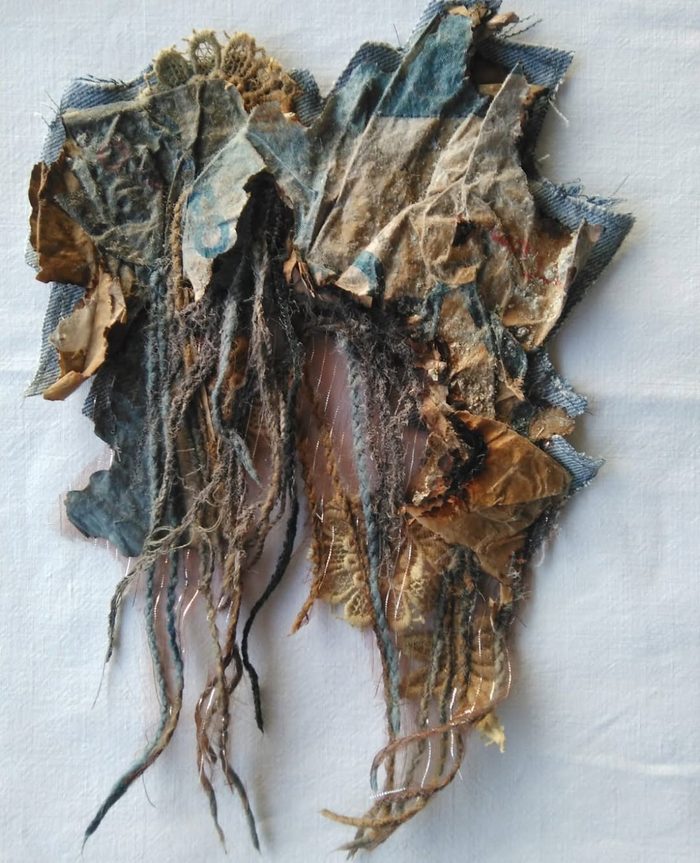 Re-rooting
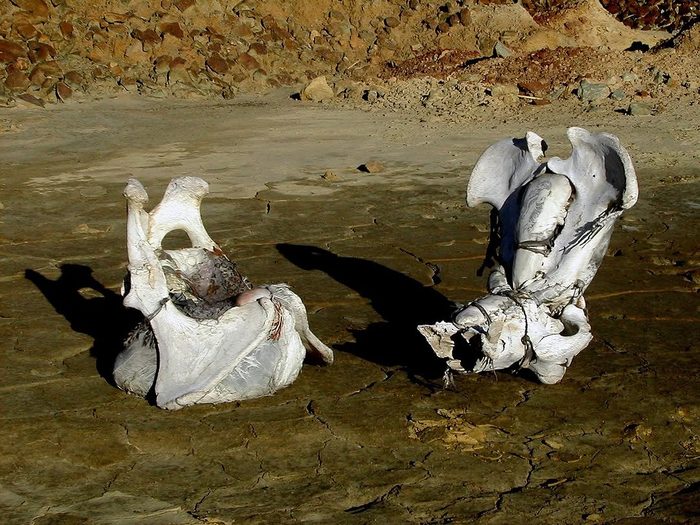 Regeneration
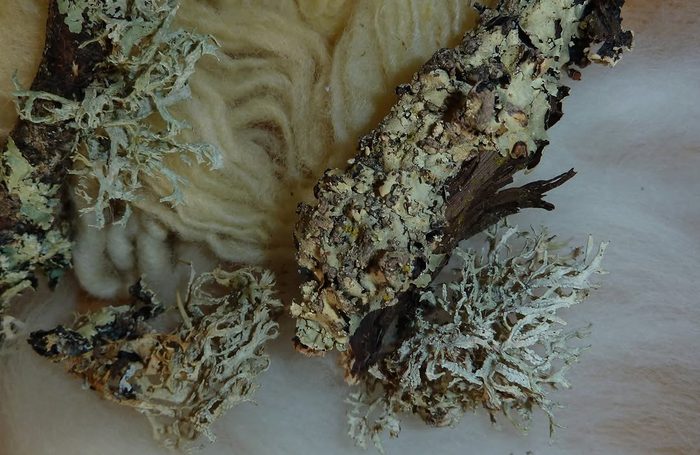 Lichenipolystoechotes
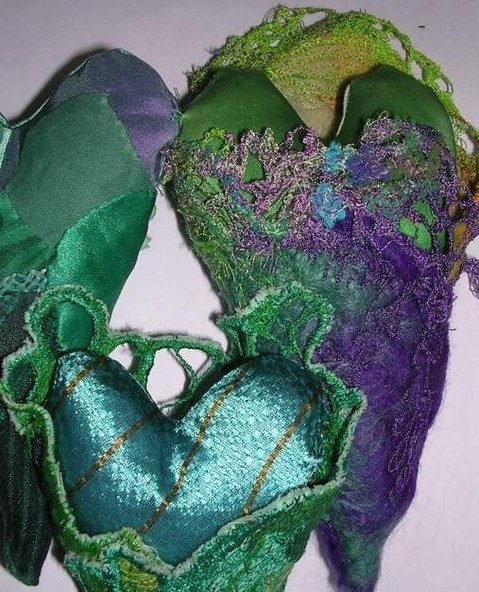 Love Potion
 Orchidelirium and Other Obsessions
 Beyond an Inferno
 Beyond the Inferno’s Edge